Society
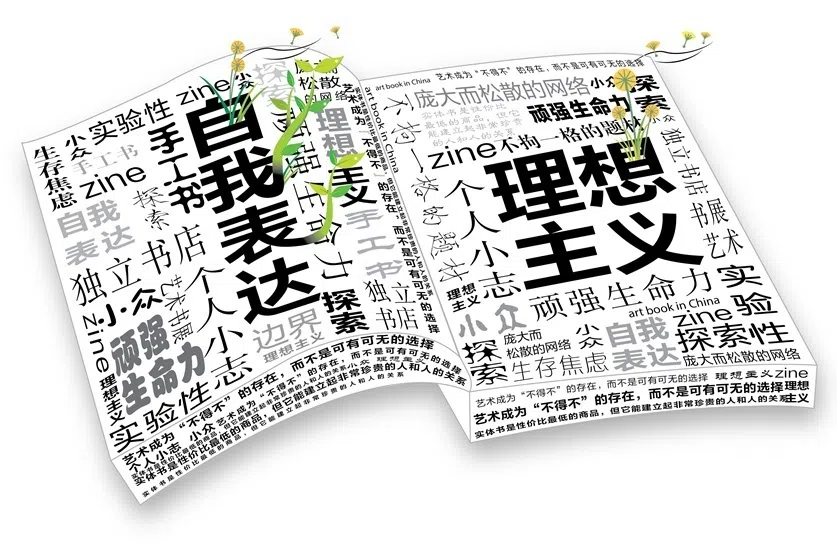
[Big read] Independent publishing in China waits for a breath of fresh air
With limited International Standard Book Number (ISBN) availability and dwindling sales channels, independent publishing in China has weathered years of crackdowns. Lianhe Zaobao associate China News editor Chen Jing tells us more about the zine makers, publishers and booksellers keeping indie publishing alive in China and elsewhere.
Chen Jing
Politics
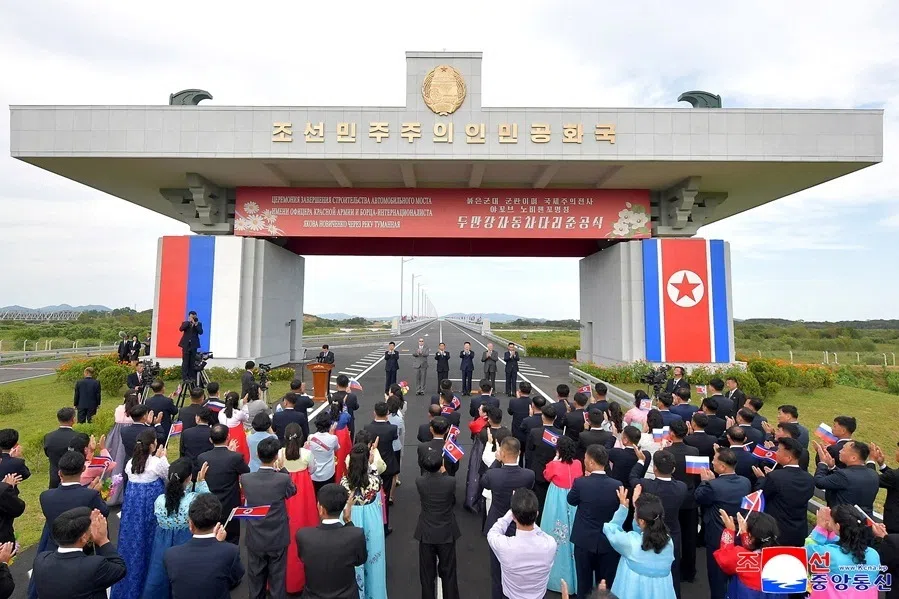
Can North Korea’s border bridges unlock Northeast Asia?
New bridges link North Korea more closely to China and Russia, but old rivalries and security tensions continue to divide Northeast Asia. Could better connectivity open new economic opportunities, or deepen existing geopolitical fault lines? Analyst Hao Nan explains.
Hao Nan
Society
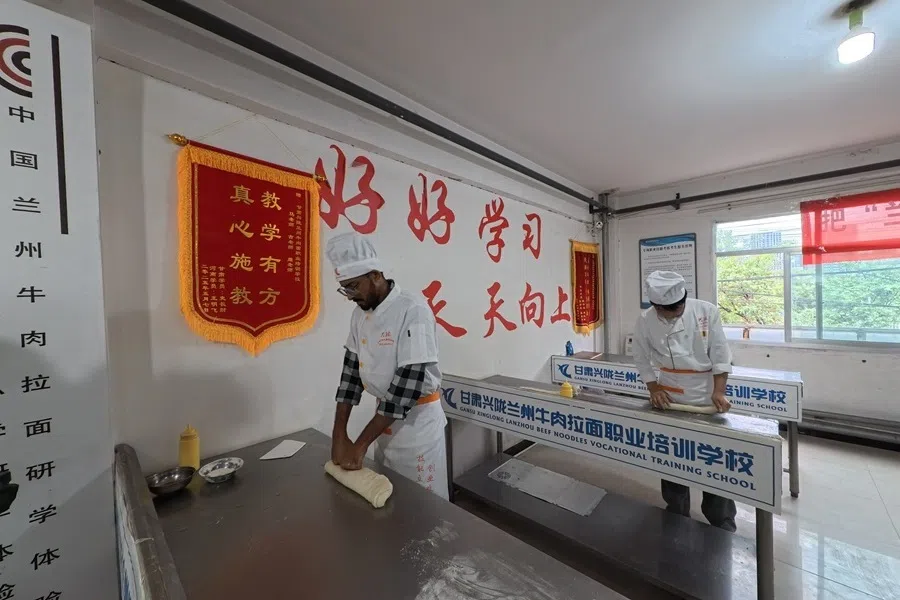
[Video] Noodle-making over postgrad studies: How China’s graduates are hedging career risks
Facing degree inflation and job insecurity, young Chinese graduates are swapping lecture halls for commercial kitchens. Lianhe Zaobao China Desk correspondent Liu Liu looks at why learning how to hand-pull Lanzhou noodles may offer better employment prospects than a master’s degree.
Liu Liu
Technology
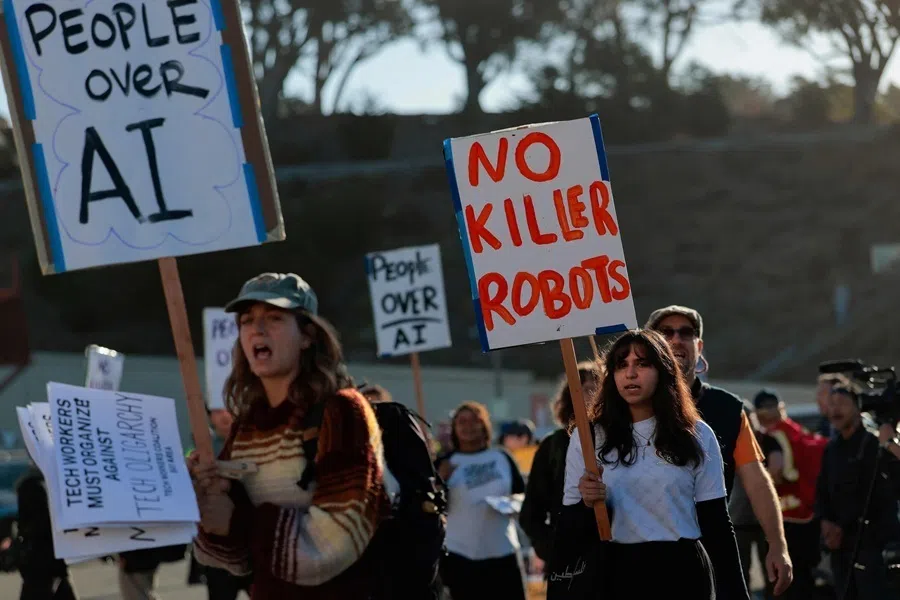
The real threat of AI: Human error and the loss of critical thought
Fears of AI taking over reflect media hype rather than reality, as the recent OpenAI and Google “cyberattacks” were just automated programmes exploiting human code errors. Chinese commentator Jun Ma analyses the deeper threat from AI.
Jun Ma
Society
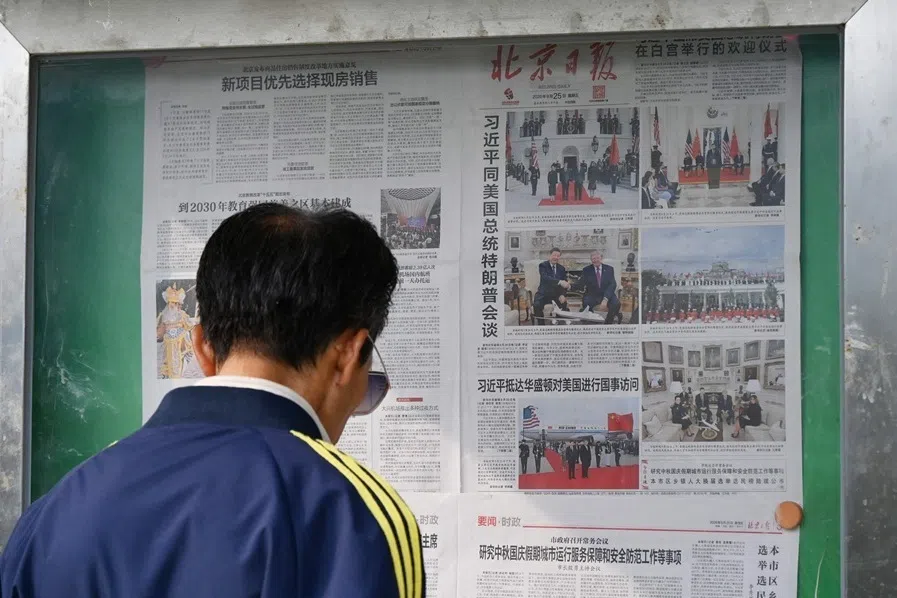
From food to official scandals: Chinese we-media expose what state media doesn’t
Independent online investigators in China increasingly expose official misconduct and food safety scandals, areas where mainstream media falls short. Lianhe Zaobao correspondent Zhang Guanghui explores their rising influence, risks and motives.
Zhang Guanghui
Popular This Month
Politics
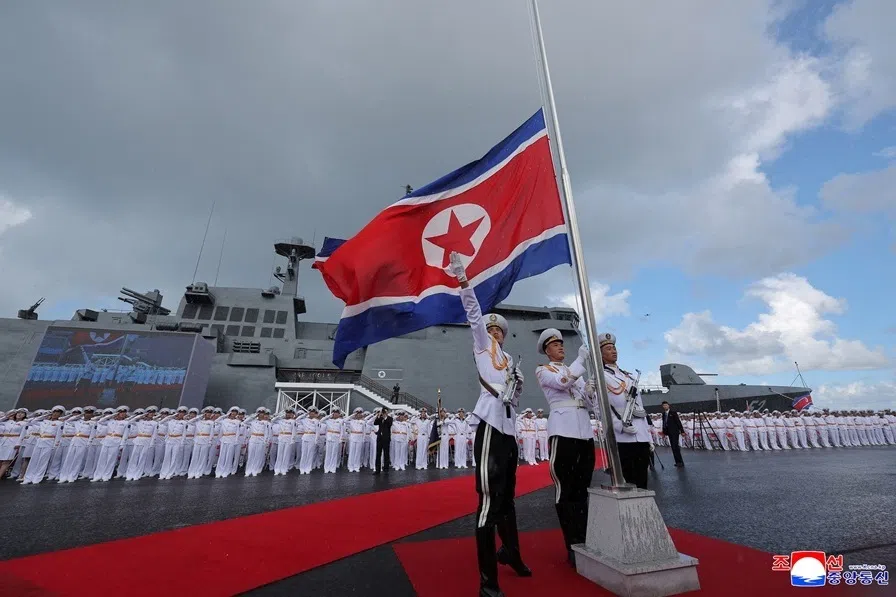
Bilahari Kausikan: The Korean Peninsula and the future of East Asian geopolitics
Former Singapore diplomat Bilahari Kausikan believes that a momentous strategic shift is underway on the Korean Peninsula, impacting the East Asian geopolitical landscape. The rise of a nuclear-armed North Korea and a transactional US alliance system are forcing a structural reset. An independent nuclear path for South Korea and Japan may be next.
Bilahari Kausikan
Economy
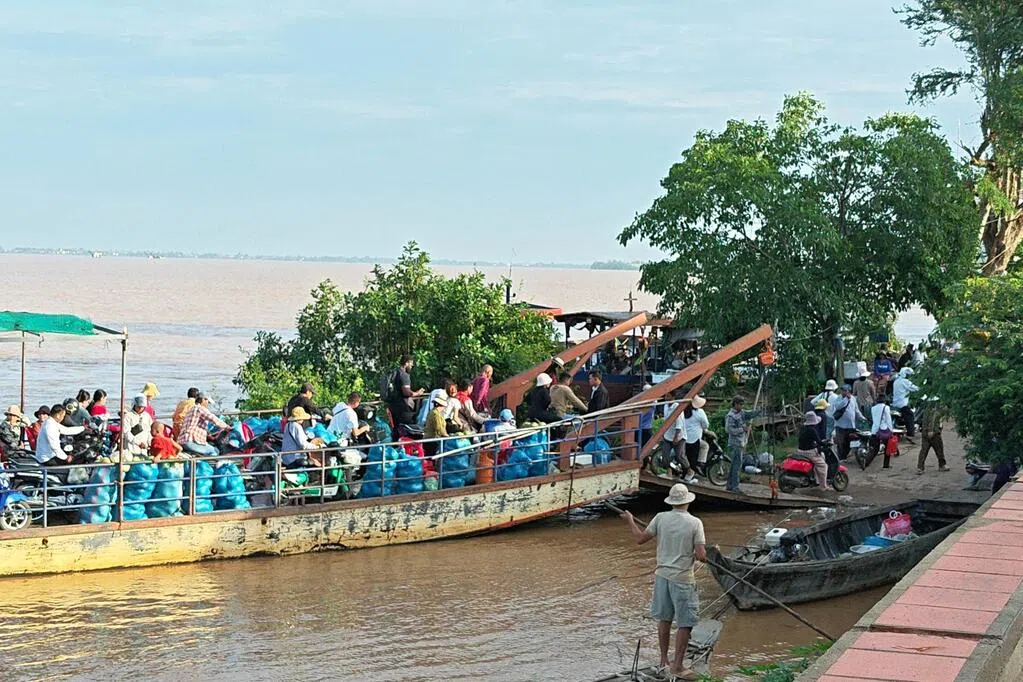
The road north: From Cambodia’s farms to China
Existing infrastructure is converging into an emerging Cambodia-Laos-China agricultural corridor, bringing farmers into regional trade, observes researcher David Okoronkwo, after weeks of field study in Kratie, northeastern Cambodia.
David Okoronkwo
Cartoon
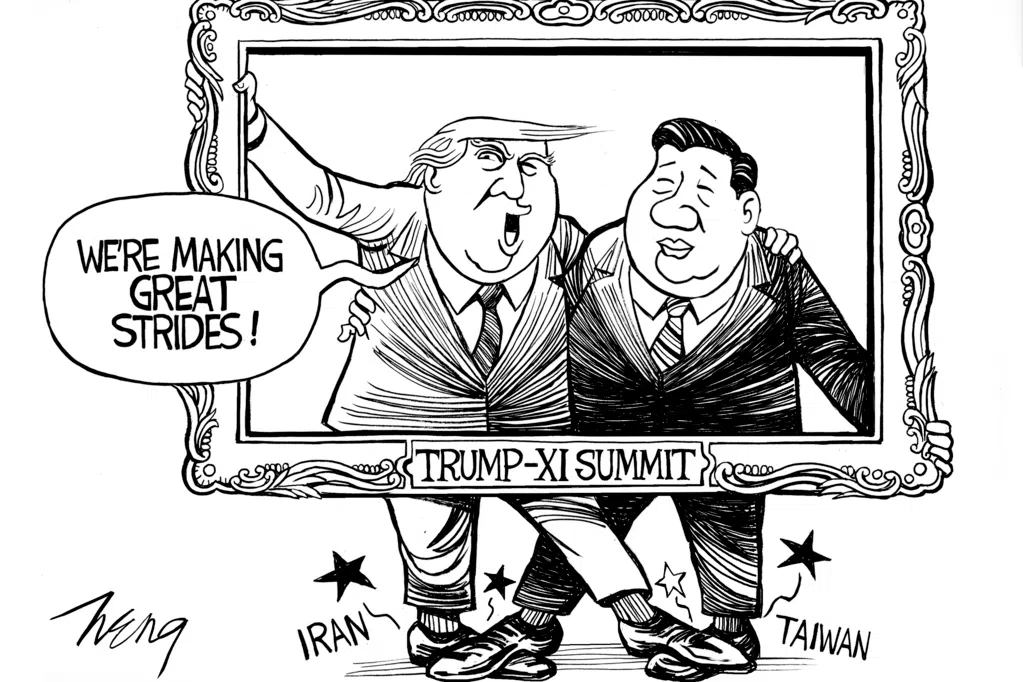
ThinkCartoon (29 September 2026)
Heng Kim Song has been the freelance editorial cartoonist for Lianhe Zaobao since 1984. His cartoons are also featured in many major international publications including The New York Times, Asahi Shimbun, JoongAng Ilbo, South China Morning Post and Yazhou Zhoukan. His many awards include the Top Award in United Nations ESCAP’s Cartoon Competition and the Grafica Internazionale Award presented by Italian Museum of Political Satire and Caricature. Heng has also participated in many international exhibitions and events, including the World Economic Forum Annual Meetings held in Davos, Switzerland.
Heng Kim Song
Politics
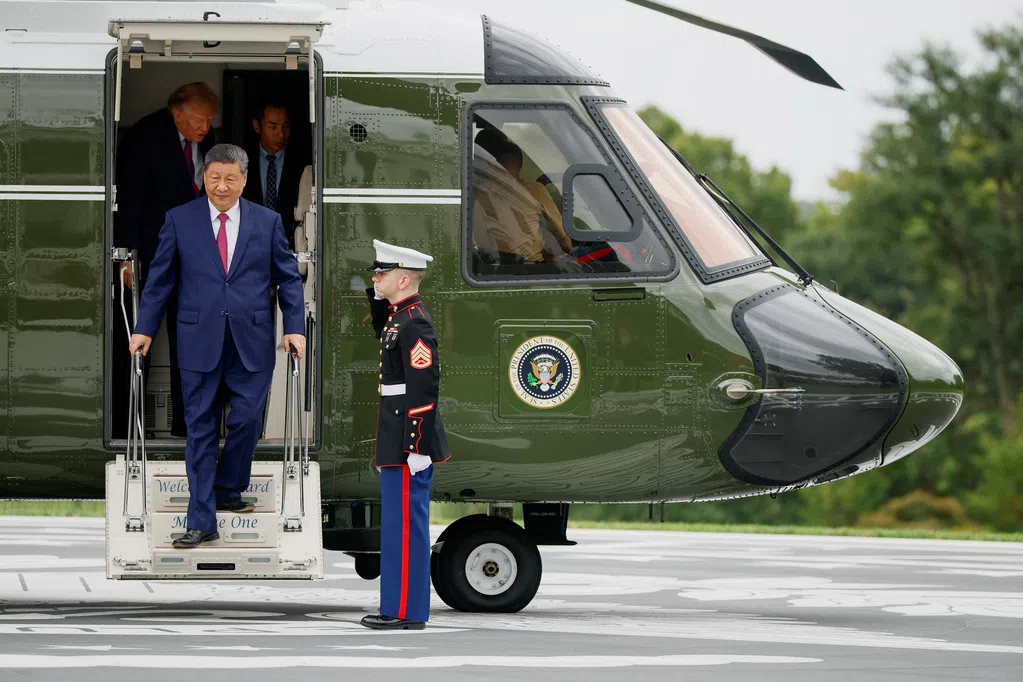
What ‘road warrior’ Xi’s overseas trips reveal about his health
There has been speculation about Chinese President Xi Jinping’s health following his overseas trips. Examining TV footage of Xi’s gait and walking posture in India and the US, Taiwanese academic Wen-Hsuan Tsai offers some observations about possible correlations to the state of the leader’s health.
Wen-Hsuan Tsai

Society
Chinese youths trade ambition for simple pleasures
From catching caterpillars to riding slow trains, Chinese youths are pursuing joy from the little things in life. Lianhe Zaobao’s China Desk looks at the rise of youths shunning ambition and excess spending, and “just getting on with life”.
China Desk, Lianhe Zaobao

Get the ThinkChina Weekly Newsletter
Insights on China, right in your mailbox. Sign up now.
By subscribing, I agree to SPH Media's Terms and Conditions and Privacy Policy.
Editor's pick
Politics
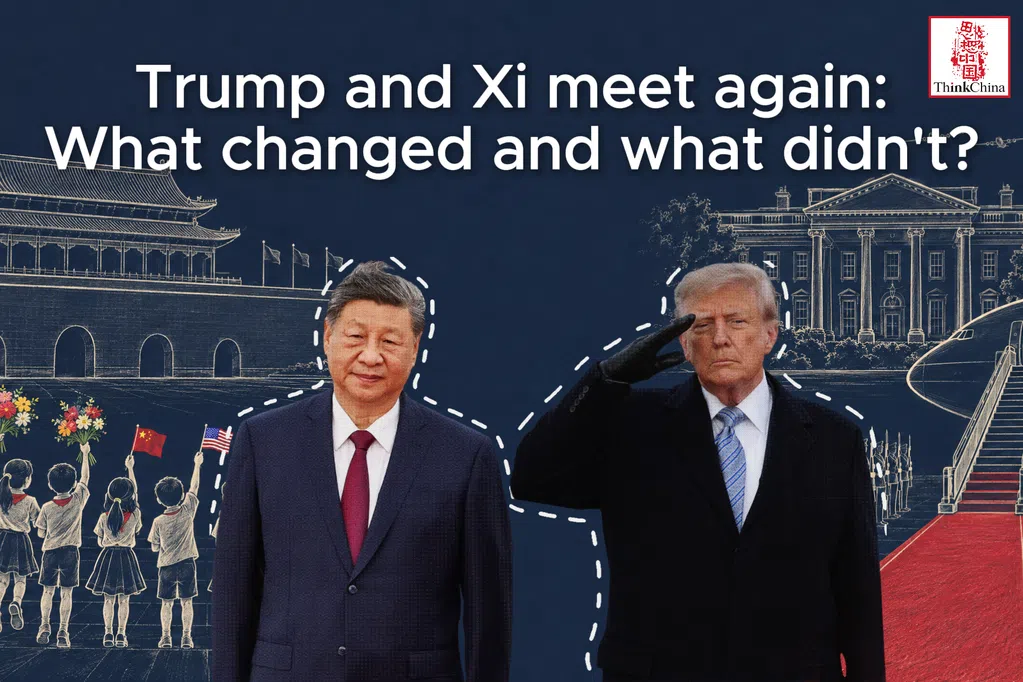
[Video] Trump and Xi meet again: What changed and what didn’t
This year’s historic Trump-Xi state visits delivered memes and pageantry, though Xi’s trip to Washington was shadowed by protests and Trump’s media ban. ThinkChina’s Yi Jina and Lingming Lu compare the two summits to see what changed and what didn’t.
Yi Jina, Lu Lingming
Society
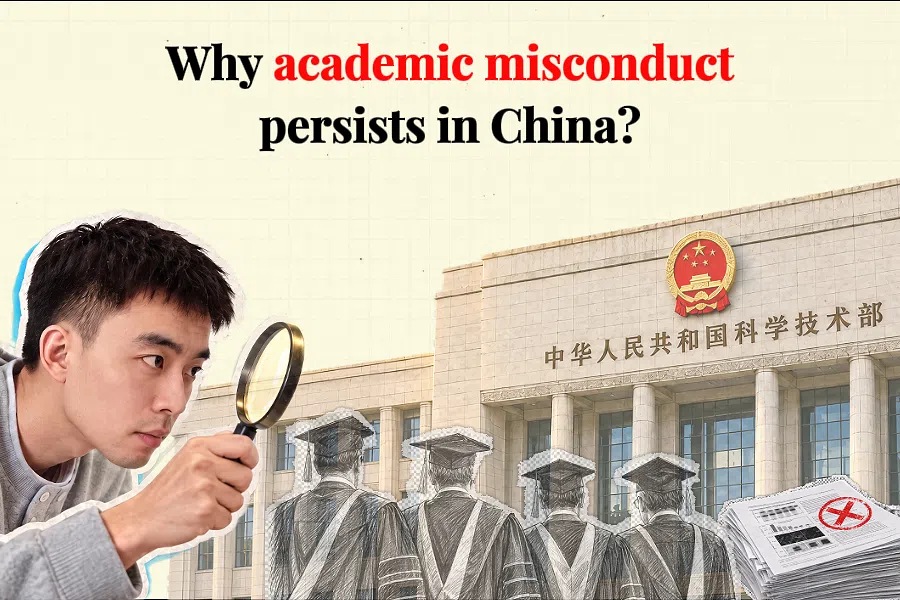
[Video] This PhD dropout exposes China’s academic fraud — can he change the system?
Online exposés by Student Geng, a PhD dropout-turned-influencer, have led to the downfall of top Chinese researchers and the largest academic misconduct investigation to date. ThinkChina’s Lu Lingming and Yi Jina find out what is fuelling the problem.
Lu Lingming, Yi Jina


Society
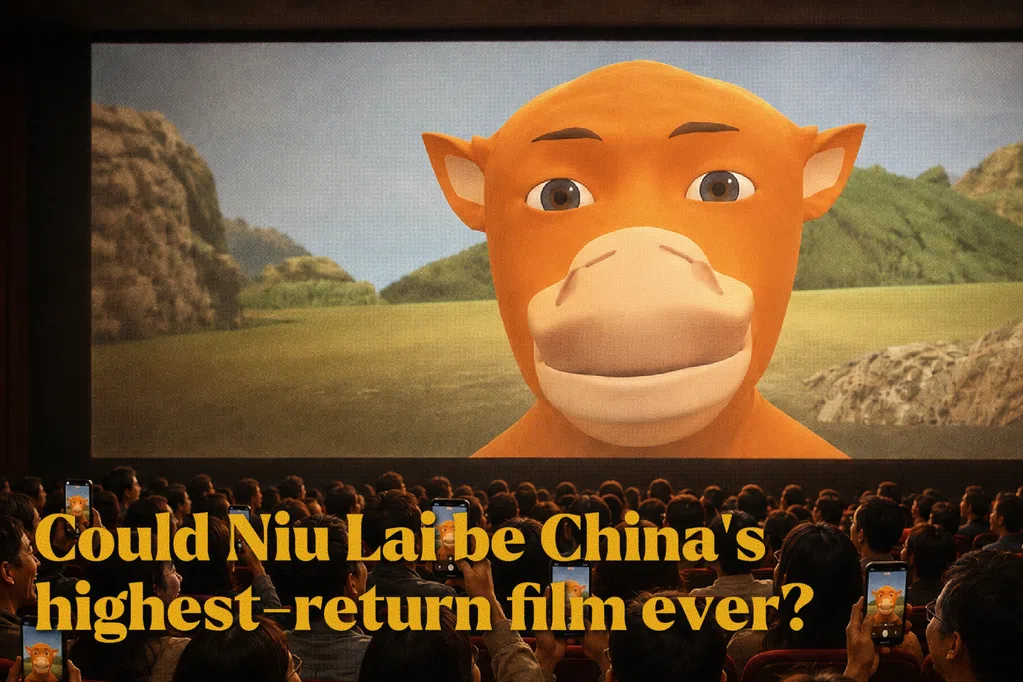
[Video] Could Niu Lai be China’s highest-return film ever?
Made by a mother and son with no outside investment, the low-budget Chinese animated film Niu Lai earned only US$1,000 in its first nine days before viral clips pushed its box office takings past US$4 million in just a few days. ThinkChina’s Lu Lingming explains what drove its unexpected box office success.
Lu Lingming
Politics
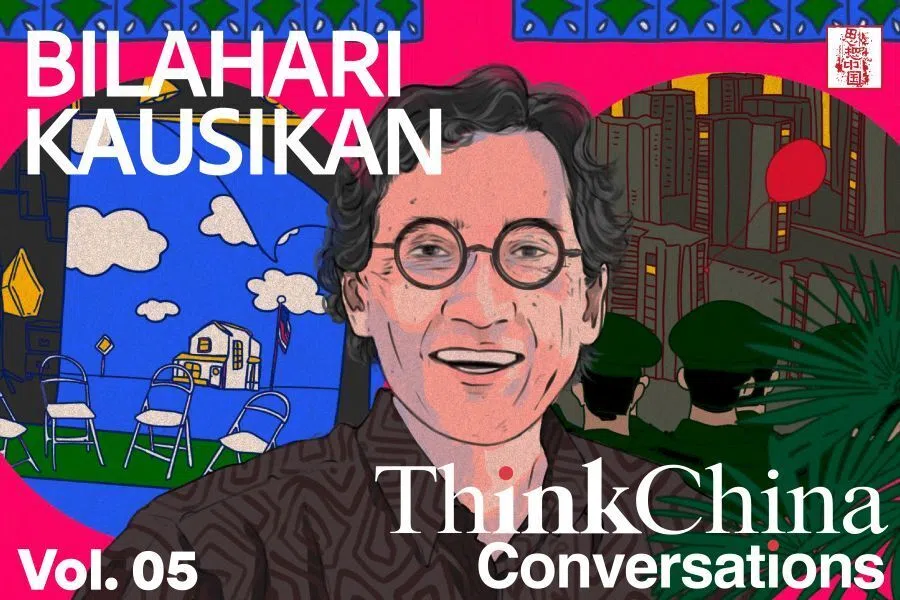
[Video] Bilahari Kausikan: How to navigate the new world order
Bilahari Kausikan, in an interview with ThinkChina editor Chow Yian Ping, examines how US-China rivalry is reshaping the global order, why China’s “China dream” narrative of national rejuvenation remains powerful but limiting, and how a more fluid, multipolar Asia will test the nimbleness of smaller states such as Singapore.
Chow Yian Ping
Politics
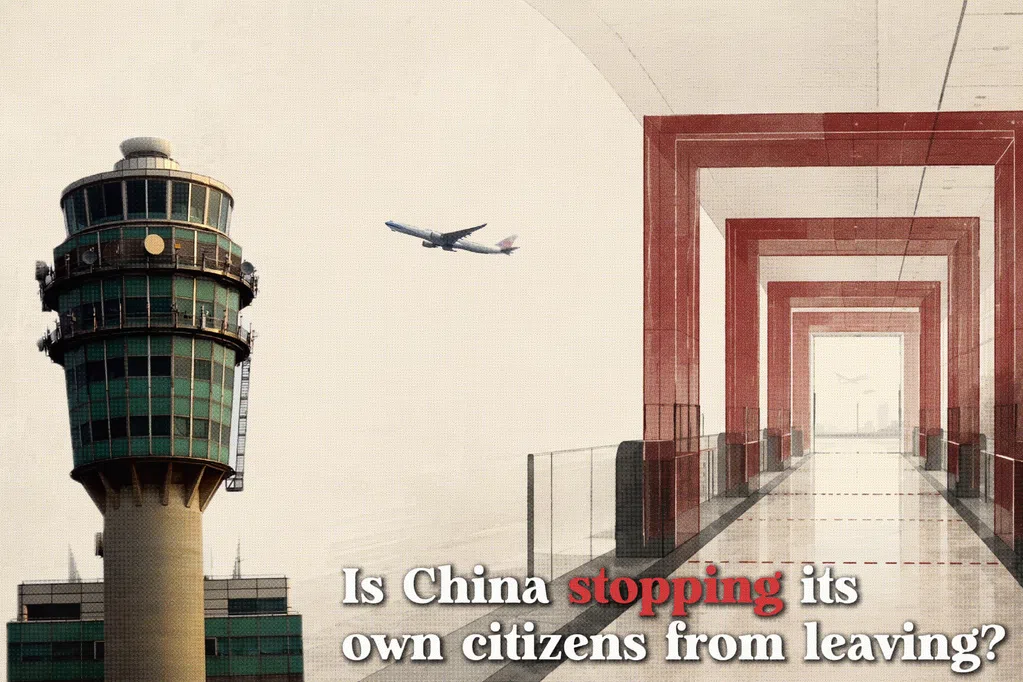
[Video] Is China stopping its own citizens from leaving?
China has introduced new rules on exit and entry administration, setting out when authorities can intervene in border crossings and when citizens may be barred from leaving the country. The regulation brings national security, export controls and technology concerns more directly into the rules governing cross-border movement. ThinkChina’s Lingming Lu looks into the issue.
Lu Lingming

Society
[Video] Rare Hubei tornadoes expose China’s rising weather risk
Three rare tornadoes in Hubei exposed a stark new reality: China must prepare for increasingly complex extreme weather with better forecasting, more resilient cities and stronger disaster response. ThinkChina’s Yi Jina and Lu Lingming find out more.
Yi Jina, Lu Lingming

Society
[Video] Effortlessly beautiful: China’s new obsession with ‘invisible’ cosmetic procedures
Why are millions of Chinese paying for cosmetic procedures that nobody is supposed to notice? The pursuit of “natural beauty” is reshaping the country’s booming medical aesthetics industry. ThinkChina’s Yi Jina finds out more.
Yi Jina
Latest Articles
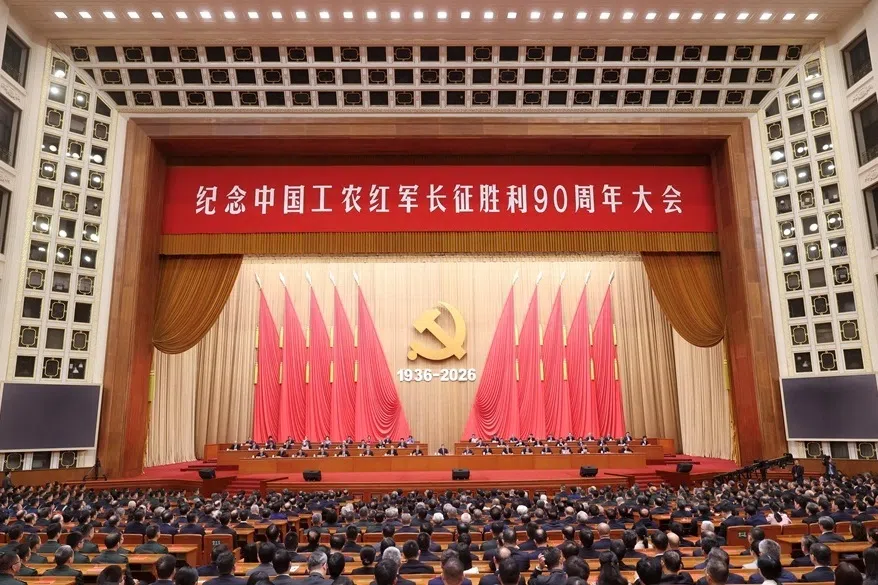
Politics
Beyond anti-corruption: Xi Jinping’s next push to tighten control over China’s officials
As the Chinese Communist Party prepares for its Fifth Plenum, the leadership is looking beyond its anti-corruption campaign to tighten discipline, enforce political loyalty and rein in bureaucratic dysfunction. Lianhe Zaobao associate editor Han Yong Hong gives her analysis.
Han Yong Hong
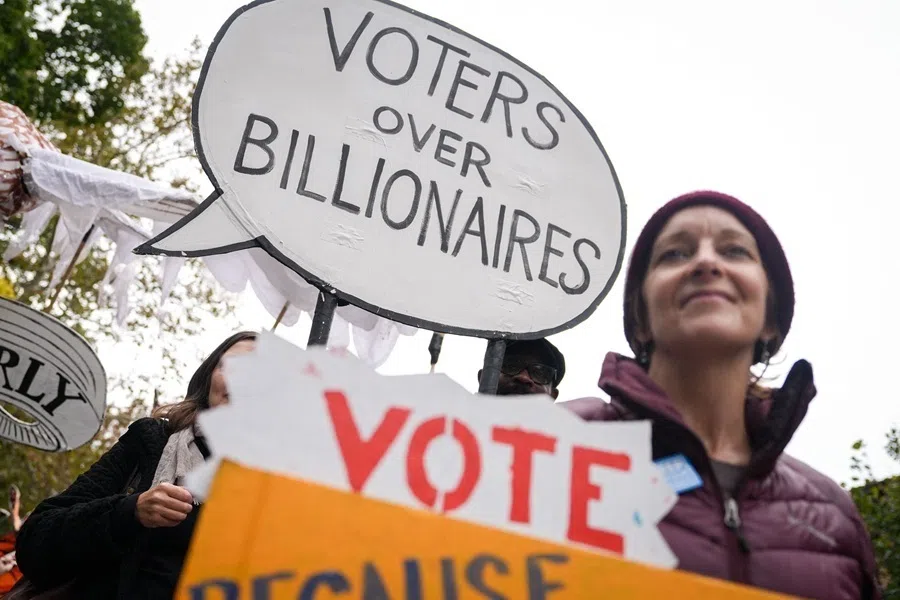
Politics
America’s socialist surge and its hard limits
Socialism is gaining ground in the US, fuelled by anger over inequality and economic insecurity. But can its rising popularity translate into lasting political influence across the country? US author and academic Michael Kazin sheds light on the issue.
Michael Kazin
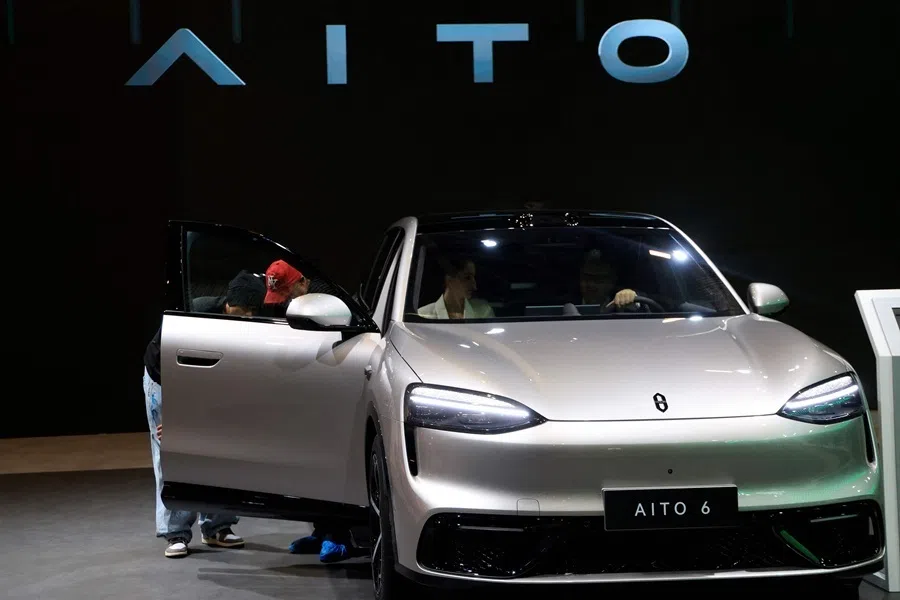
Economy
Huawei’s auto ambitions face a reckoning after Seres rift
A brief rift between Huawei and automaker Seres over the latter’s flagship electric vehicle (EV) brand, Aito, exposes deep frictions in China’s EV market, where automakers struggle to balance tech innovation with profitability and corporate autonomy.
Caixin Global
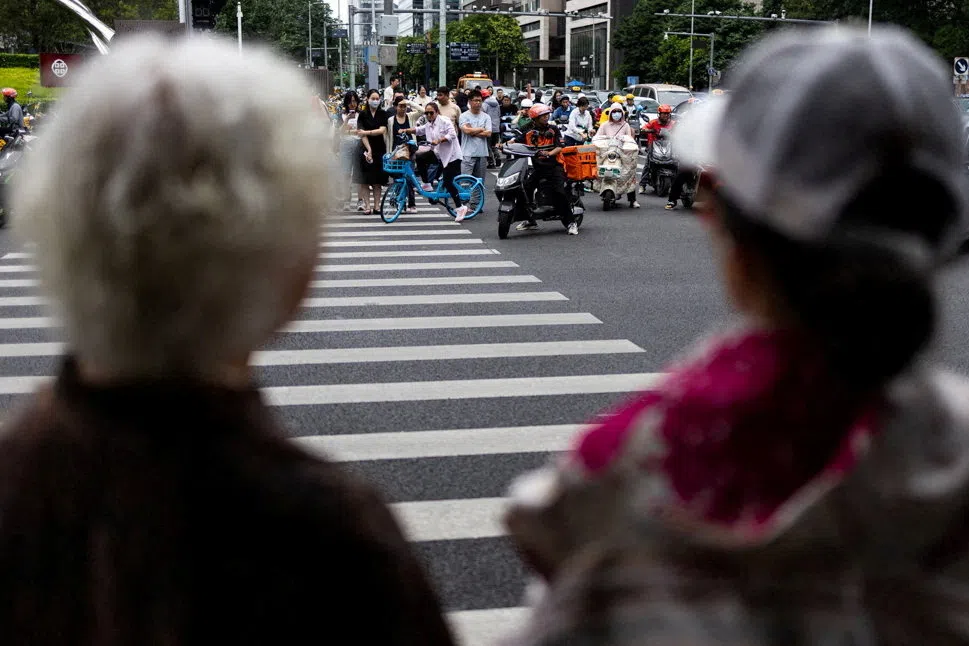
Society
China got richer. Why did its older people get lonelier?
China’s economic miracle has brought prosperity and mobility to millions — but also left many older people lonely. As families shrink, children migrate and communities change, loneliness reveals the hidden social costs of a transformation built on success. Academic Keming Yang explains.
Keming Yang
Politics
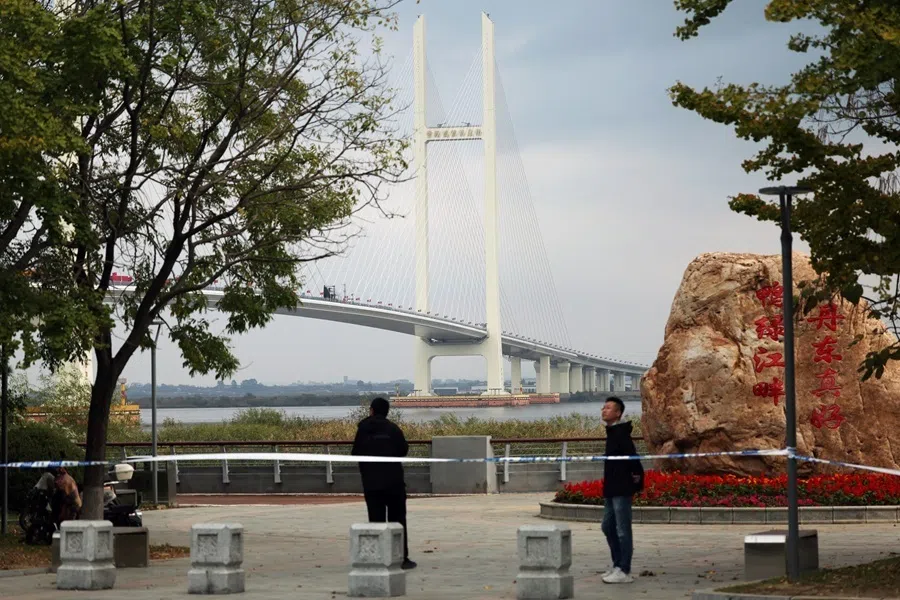
Building lifelines: North Korea’s China-Russia tightrope
Recurring rumours of Kim Jong Un’s death mask a quiet geopolitical shift on North Korea’s borders where new bridges with Beijing and Moscow reveal Pyongyang’s calculated survival strategy. Lianhe Zaobao associate China news editor Sim Tze Wei examines the matter.
Sim Tze Wei

Economy
China’s beef tariffs reveal the limits of trade diplomacy
China’s beef tariff safeguard reflects domestic pressure to protect China’s cattle producers, but its country-specific quotas distribute the costs unevenly as seen by the Brazilian case, says researcher Genevieve Donnellon-May.
Genevieve Donnellon-May
Society
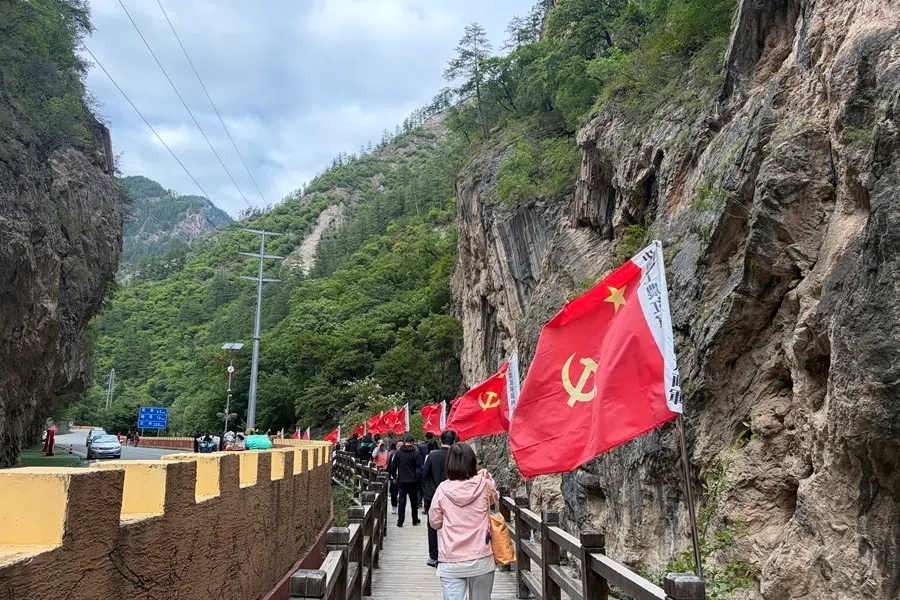
The Long March: Can China’s history of struggle still inspire its youth?
Ninety years after the Red Army’s Long March, China brings its revolutionary legacy to young people. But can a generation grappling with modern competition and pressures find meaning in past struggles? Lianhe Zaobao correspondent Liu Liu examines the issue.
Liu Liu
Politics
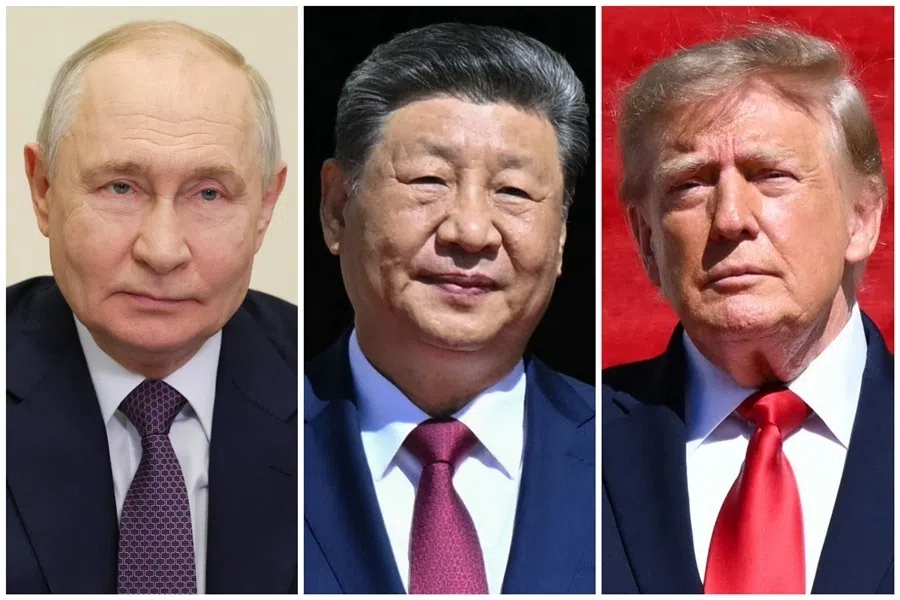
Why a Trump-Xi-Putin summit could be a double-edged sword for China
A possible meeting of the US, Chinese and Russian leaders on the sidelines of APEC could deliver a diplomatic coup for Beijing. But it also risks drawing China into great power politics that undermine its vision of a multipolar world, notes Lianhe Zaobao China news editor Yang Danxu.
Yang Danxu
Economy
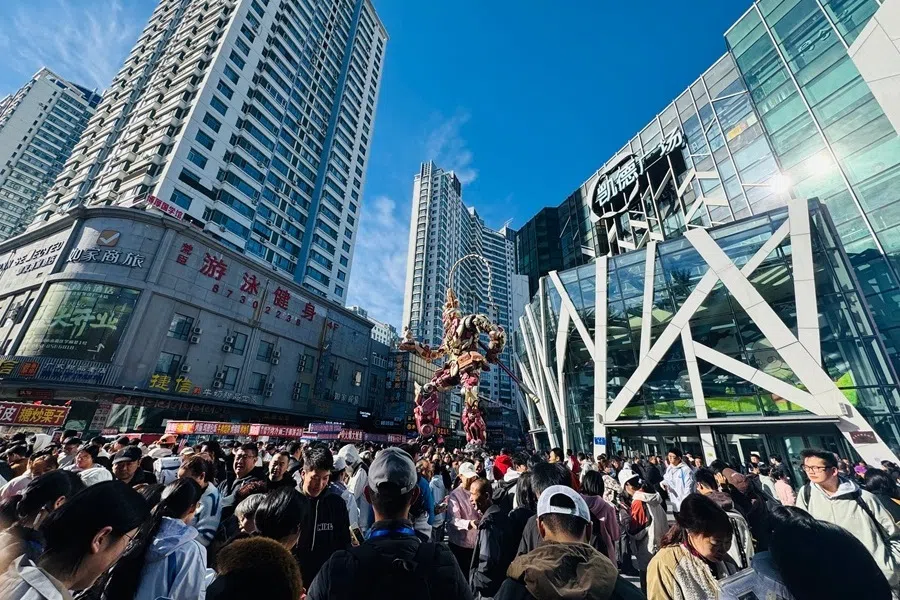
[Big read] From stem cells to immersive dining: Singapore firms tap into China’s innovative sectors
Singapore companies are tapping into China’s emerging sectors, such as stem cell therapies, leveraging the country’s vast market, advanced supply chains and evolving consumer preferences to drive growth. Lianhe Zaobao business journalist Siow Zhi Hui finds out more.
Siow Zhi Hui
Politics
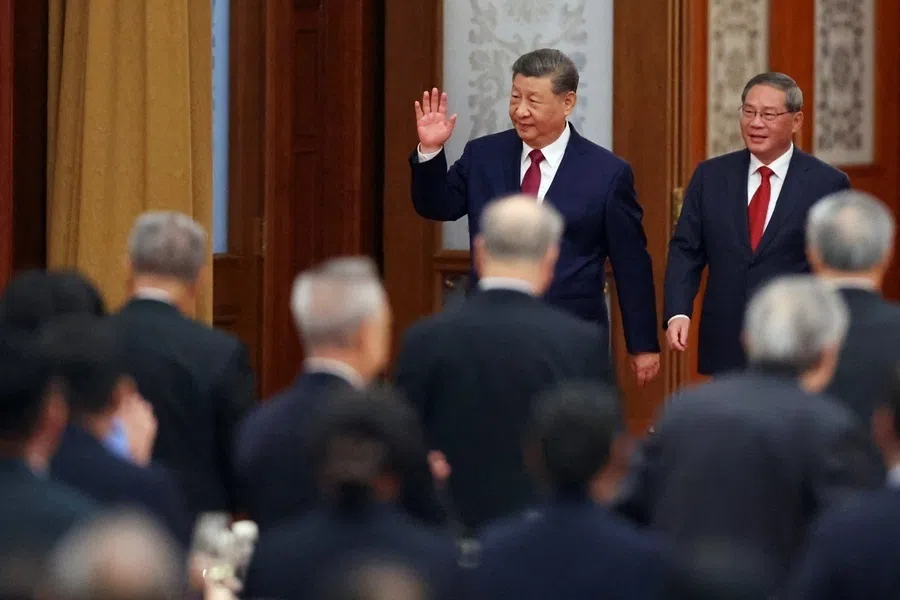
[Big read] China’s fifth plenum: What ongoing purges reveal about Xi Jinping’s power layout
From purged top generals to bypassed central cadres, China’s personnel arrangements are at their most chaotic in years. What can the upcoming fifth plenum tell us about its future leadership pipeline? Lianhe Zaobao journalist Miao Zong-Han speaks to analysts to find out more.
Miao Zong-Han
Politics
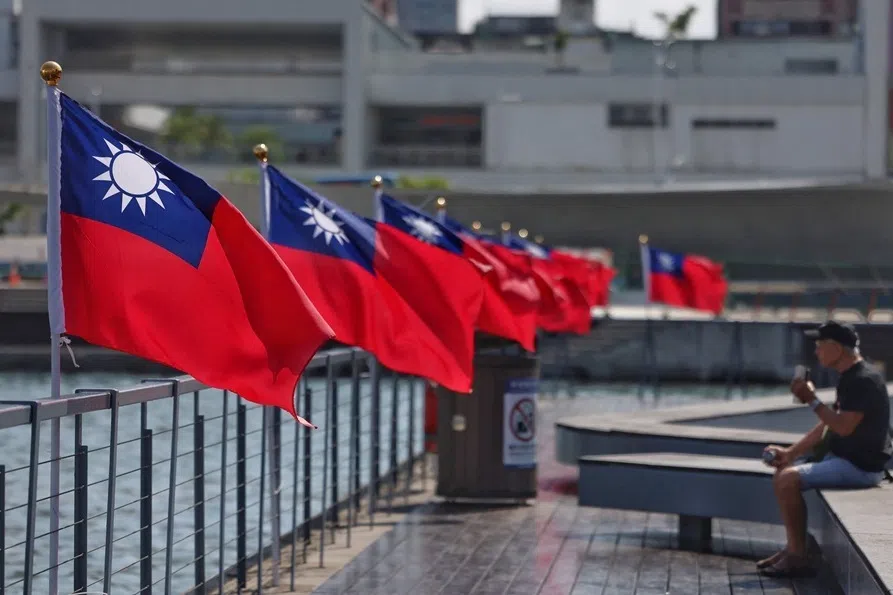
Beijing has opened a unification debate. Can Taiwan stay out?
An academic proposal on cross-strait unification has sparked debate in Beijing and Taipei. With official channels frozen, Taiwan cannot afford to sit out a conversation that directly affects its fate, says researcher Ivan I-Wei Huang.
Ivan I-Wei Huang
Politics
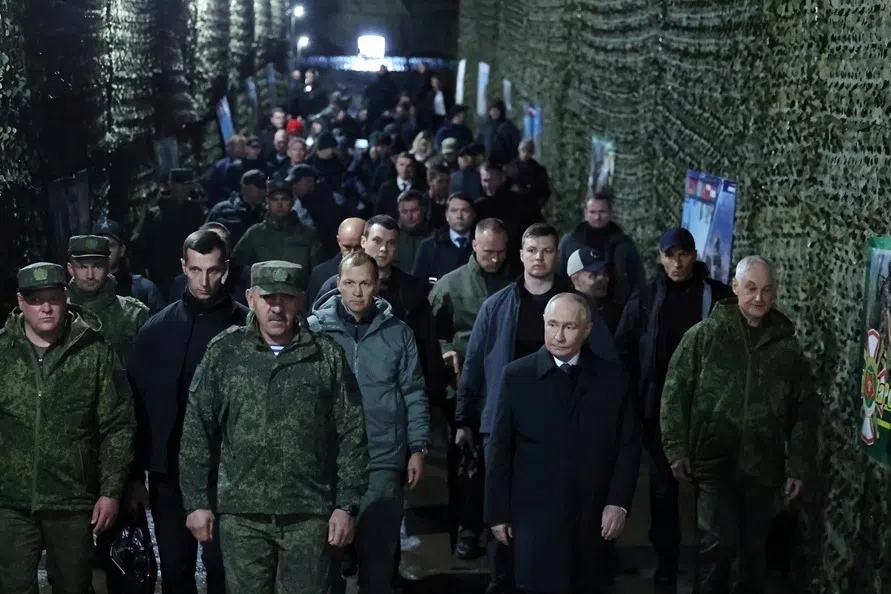
Are China and Russia building an Eastern NATO?
Russia’s Tsentr-2026 exercise shows that countries in Eurasia are building military networks with Russia and China, creating greater room for manoeuvre — but only if they steer clear of the perception of bloc politics. Analyst Hao Nan explains.
Hao Nan
Economy
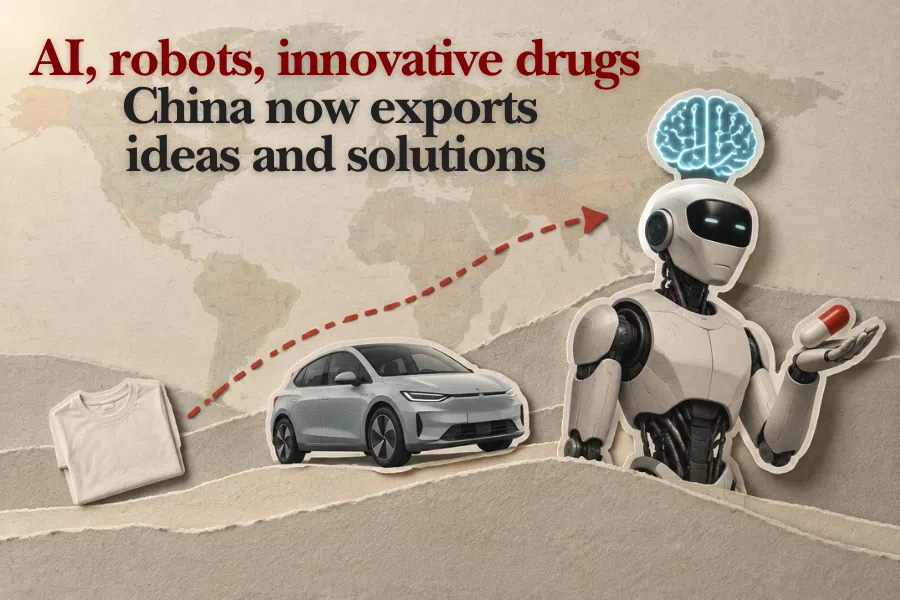
[Video] AI, robots, innovative drugs: China’s high-tech trio rattles the West
AI, robotics and innovative drugs, coined the “new ‘new three’”, are leading China’s exports up the value chain, marking the country’s shift from labour-driven to knowledge-driven growth. ThinkChina’s Yi Jina explains.
Yi Jina

Politics
Taiwan’s local elections: Can DPP disrupt KMT’s Taipei stronghold?
Democratic Progressive Party (DPP)’s Taipei mayoral candidate Puma Shen’s grassroots surge is shaking up Taiwan’s local elections. Lianhe Zaobao’s Taipei correspondent Lai Oi Lai looks at whether the DPP can translate this momentum into actual gains at the ballot box.
Lai Oi Lai
Economy
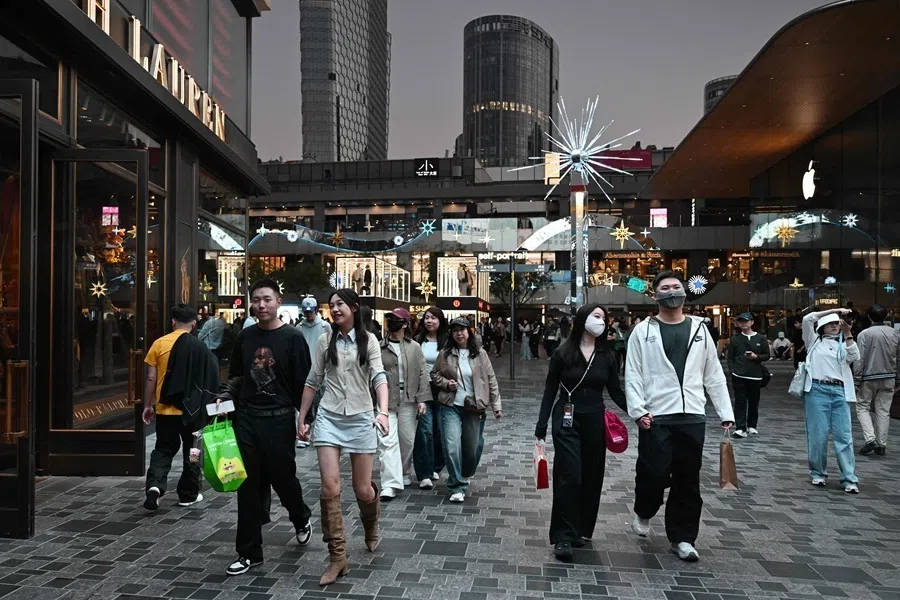
China’s growth dilemma: More stimulus, but where is the demand?
Beijing is stepping up efforts to meet its growth target, but weak consumer confidence, mounting debt and a prolonged property slump threaten to blunt the impact of its latest measures. Lianhe Zaobao associate China news editor Sim Tze Wei tells us more.
Sim Tze Wei
Society
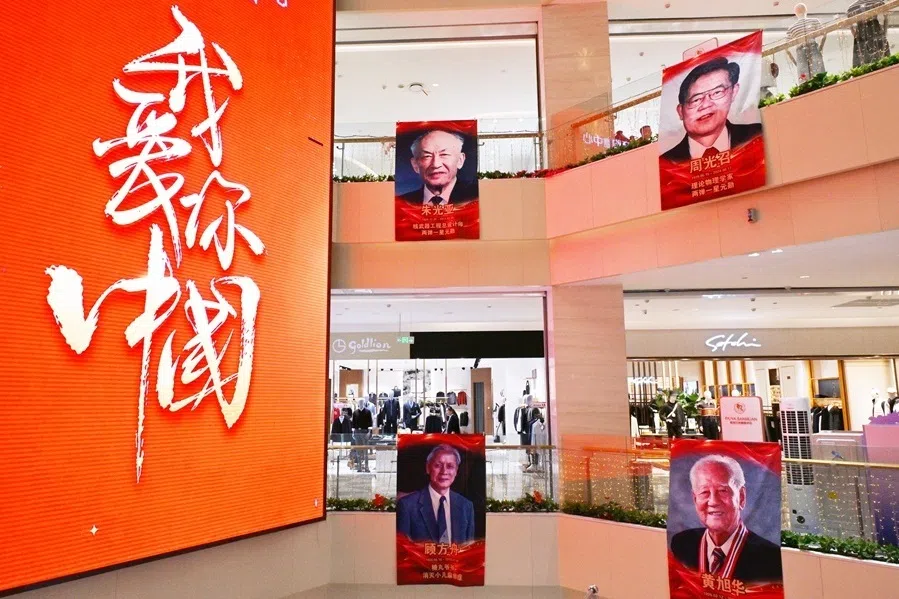
From labs to billboards: Behind China’s push to turn scientists into patriotic icons
Giant tributes to nuclear physicists and rocket scientists are popping up across major Chinese cities. However, academic Erik Baark observes that behind the scientific drive is a push for academic reforms.
Erik Baark
Society
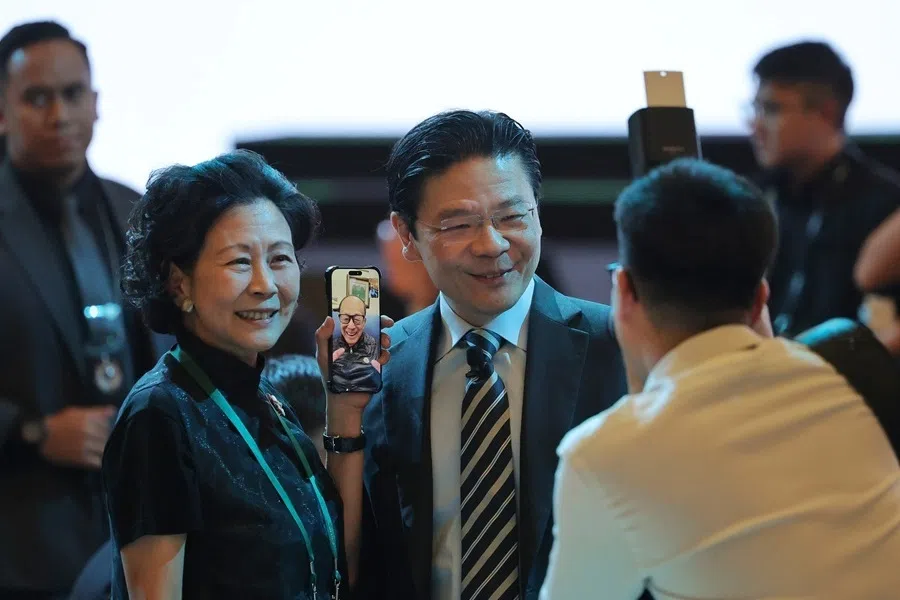
The Chinese internet’s morbid fixation with Li Ka-shing’s death rumours
Rumours of 98-year-old Li Ka-shing’s death this week prompted an official rebuke from CK Asset. From high-profile virtual calls to new medical initiatives, Lianhe Zaobao’s China Desk finds out what Asia’s iconic tycoon has been up to.
China Desk, Lianhe Zaobao
Society
Chinese youths trade ambition for simple pleasures
From catching caterpillars to riding slow trains, Chinese youths are pursuing joy from the little things in life. Lianhe Zaobao’s China Desk looks at the rise of youths shunning ambition and excess spending, and “just getting on with life”.
China Desk, Lianhe Zaobao