Politics
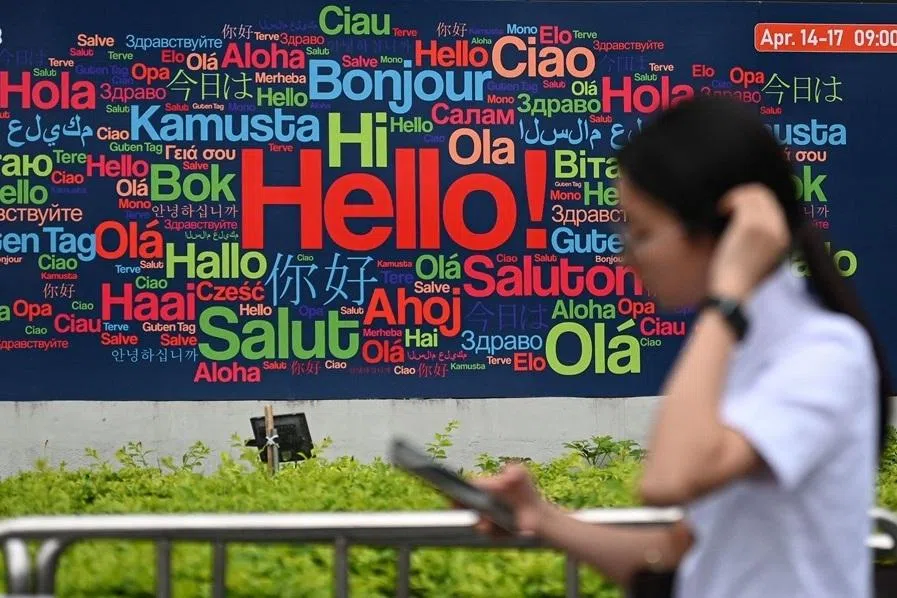
Confucian new tianxia order: Humaneness to restrain nationalism and save globalisation
As the world makes radical swings between nationalism and cosmopolitanism, is there a third way — a Confucian world order ruled by a humaneness-based hierarchy? Academic Tongdong Bai ponders the question.
Tongdong Bai
Politics
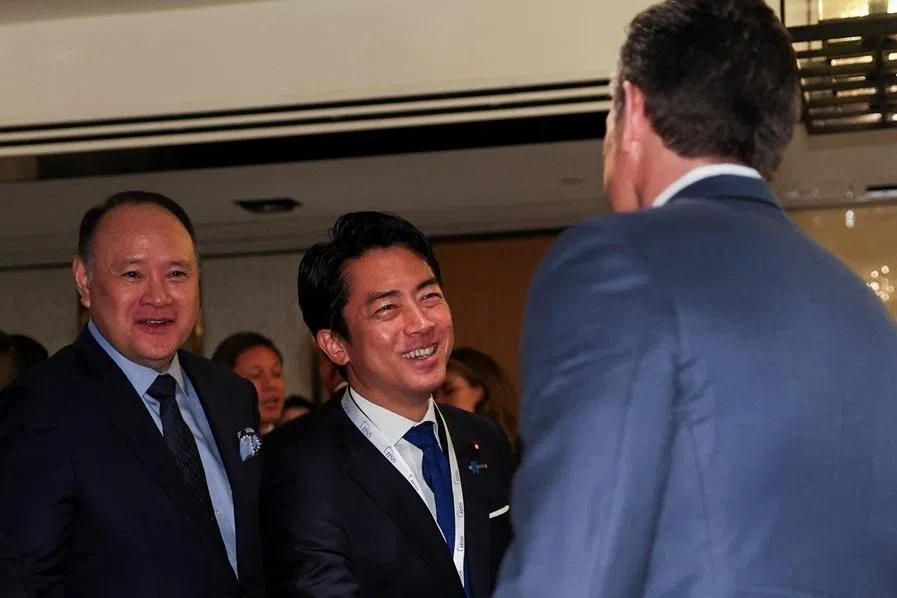
Japan and Philippines harden stance against China amid US-China detente
As Washington softens its tone on Beijing, Japan and the Philippines are tightening defence ties to counter China, forging a potent middle-power coalition in Asian waters. Lianhe Zaobao associate editor Han Yong Hong tells us more.
Han Yong Hong
Economy
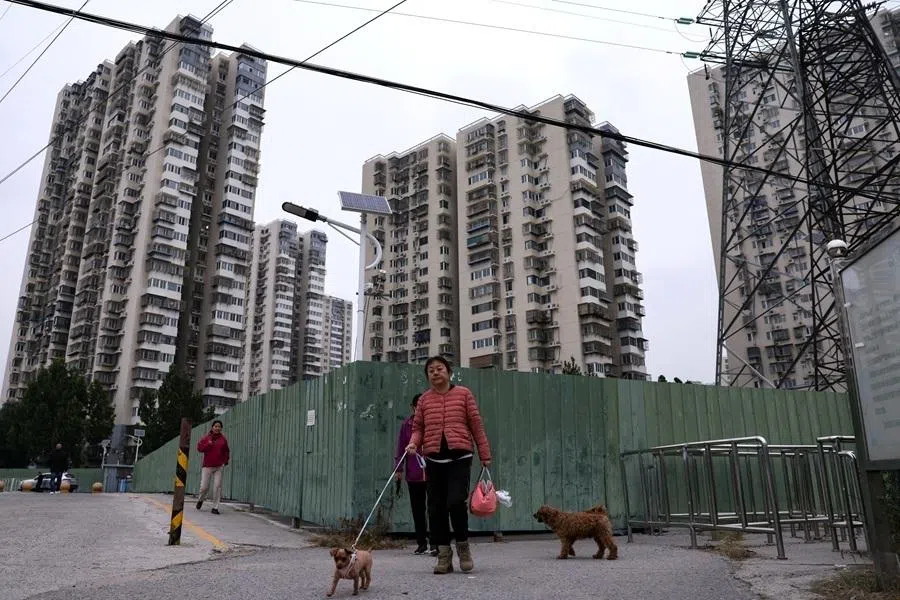
China’s housing market flashes signs of life in core cities
China’s property market shows signs of life with sharp luxury project rebounds in Shenzhen and Shanghai. Yet this fragile recovery remains highly uneven; mid-tier markets still languish while growth relies heavily on bargain hunters.
Caixin Global
Technology
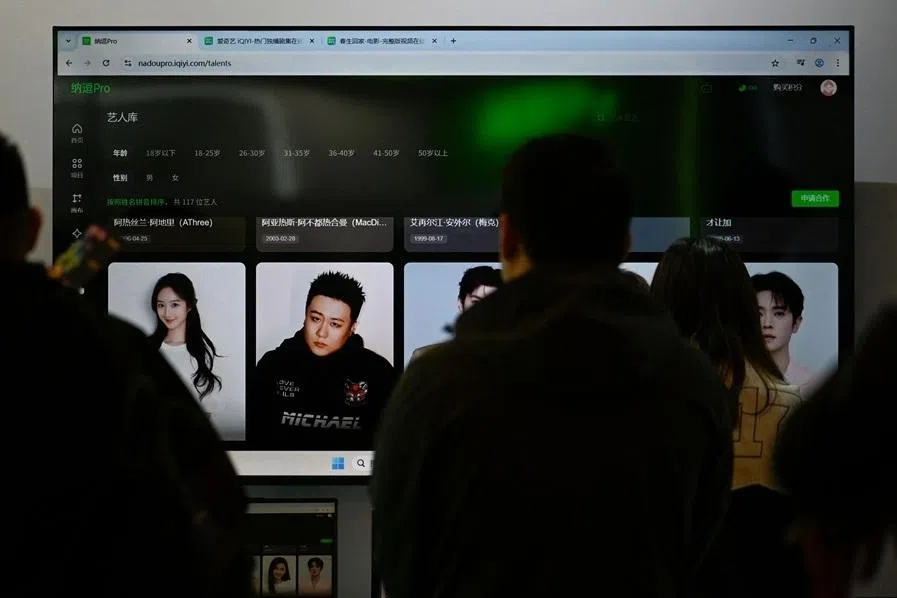
What will movies be like without human actors?
iQIYI’s announcement of its AI talent pool has opened up new possibilities of using all-AI actors in film and TV. Yet how authentic are such productions without human emotion and expression? Academic Zhang Tiankan explores the issue.
Zhang Tiankan
Society
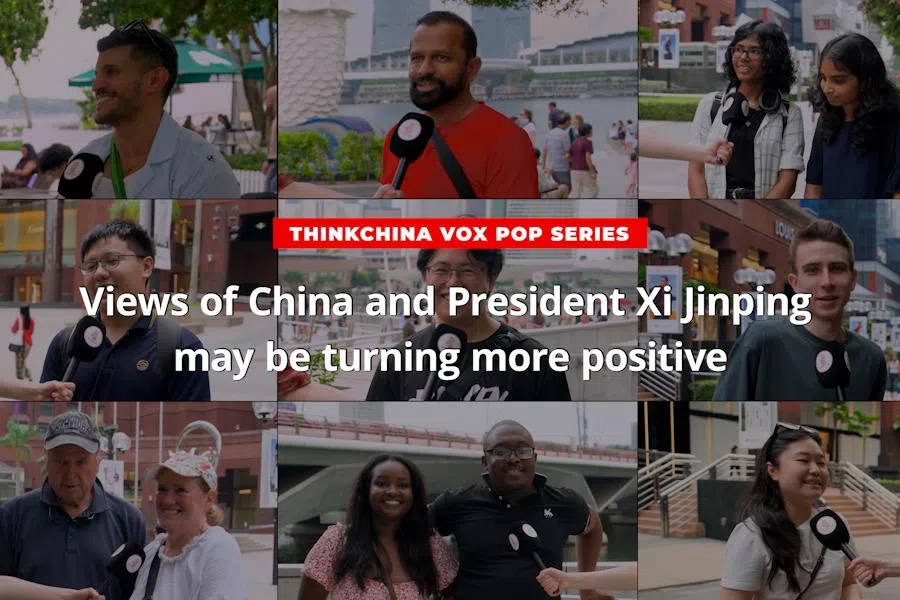
[Vox pop] Views of China and President Xi Jinping may be turning more positive
Based on soundings from our street interviews with people from different countries, perceptions of China seem rather positive, not only in terms of China’s economic power and high-tech manufacturing leap, but its leadership. ThinkChina’s Yi Jina speaks to the public to understand how views on China, its leadership and its global role are evolving — and what reservations remain.
Yi Jina
Popular This Month
Politics
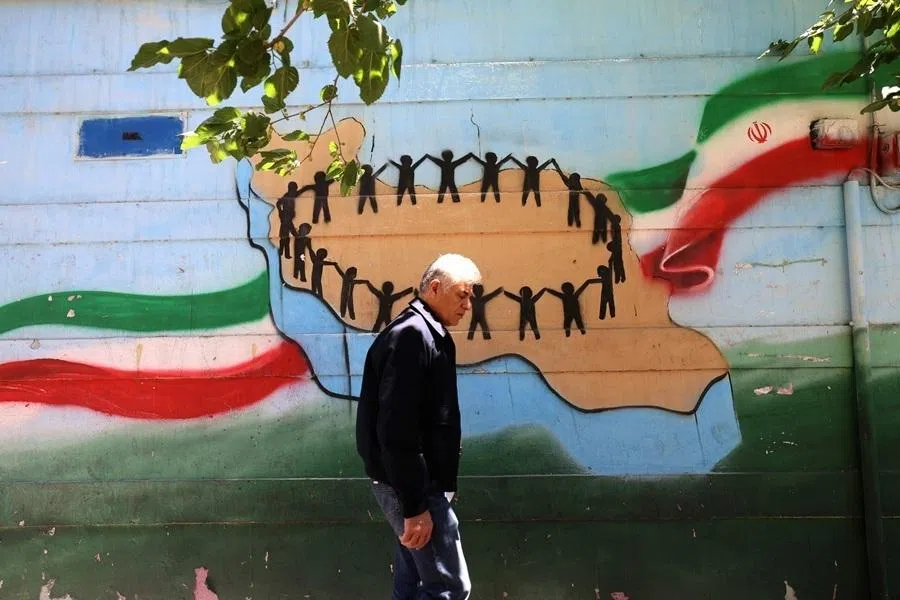
Why bombs don’t break Iran
The domestic issues and fragile regime in Iran would have led one to believe that an attack by the US would result in a quick defeat. Commentator Tao Ray offers a perspective on why Iran remains resilient: not because of its military strength or strategy, but the strong sense of “us versus them”.
Tao Ray

Politics
Why the Strait of Malacca is not another Hormuz
Concerns that similar distress seen in the Strait of Hormuz could happen in the Strait of Malacca during geopolitical conflicts are not so straightforward. The latter’s military geography is not the same. Not only that, the US and China have a whole other agenda in the region and the littoral states there are wired differently to guard their interests. Academic John Bradford analyses the situation.
John F. Bradford
Culture
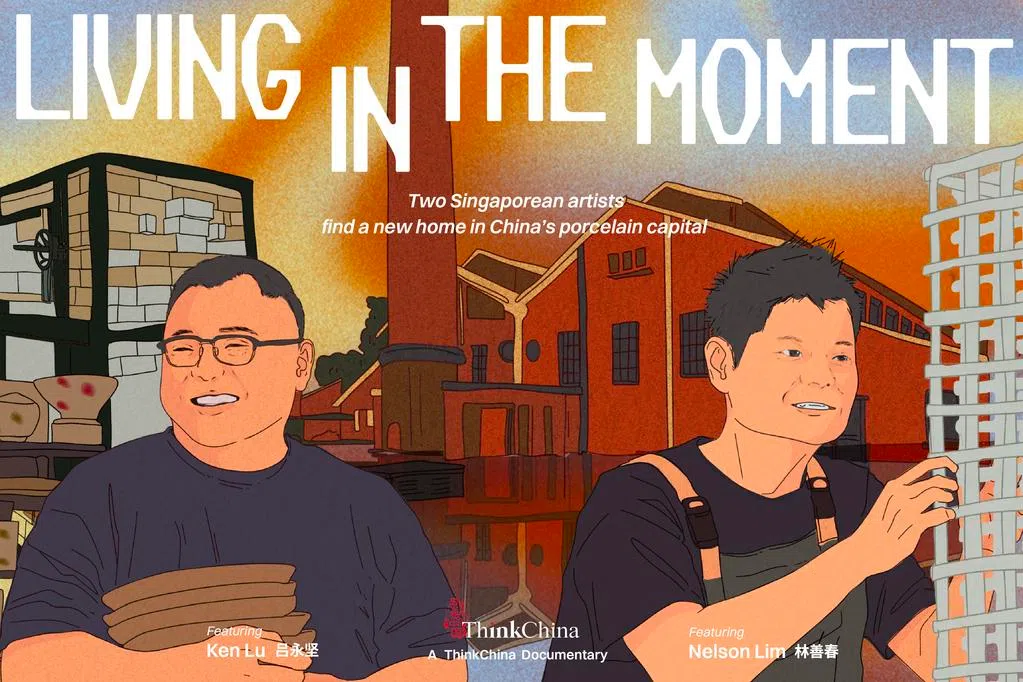
[Video] Living in the moment: Two Singaporean artists finding home in Jingdezhen
In Jingdezhen, China’s porcelain capital, Singaporean ceramists Ken Lu and Nelson Lim have each found their own mecca — a place for Ken to put down roots, and for Nelson to continually return to. Living in the Moment, produced by Lu Lingming and Yi Jina, is ThinkChina’s first documentary film. It explores how the city reshapes Ken and Nelson’s identities as Chinese Singaporeans, while tracing their lifelong pursuit of art and craft.
Lu Lingming, Yi Jina
Politics
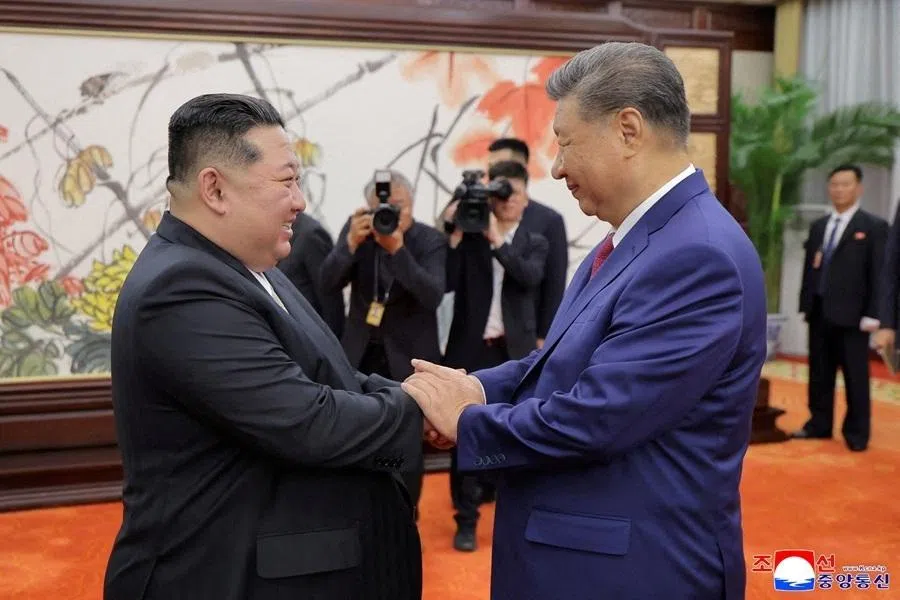
After Trump and Putin, Xi turns to North Korea
Amid rumours of Xi Jinping visiting North Korea, analysts believe this is a calculated move by China to hold the strategic initiative and balance ties among the US, Russia and North Korea. Lianhe Zaobao associate China news editor Sim Tze Wei finds out more.
Sim Tze Wei
Technology
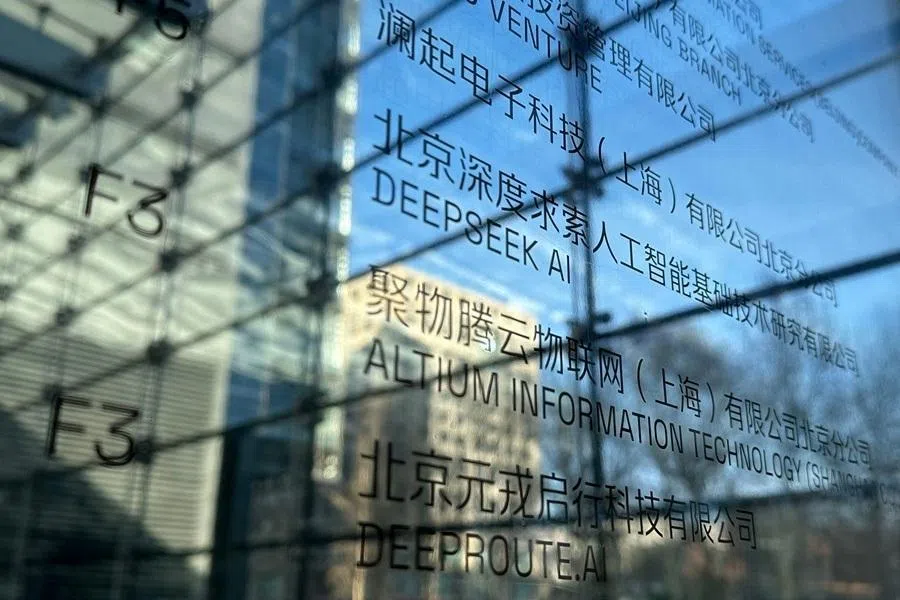
[Big read] The returnees: Inside China’s AI talent reversal
From Silicon Valley to Beijing and Shenzhen, a growing number of AI researchers are returning to China, reshaping careers, companies and the global balance of tech talent. Lianhe Zaobao correspondent Liu Sha examines this high-stakes return and what drives it.
Liu Sha

Get the ThinkChina Weekly Newsletter
Insights on China, right in your mailbox. Sign up now.
Editor's pick
Society
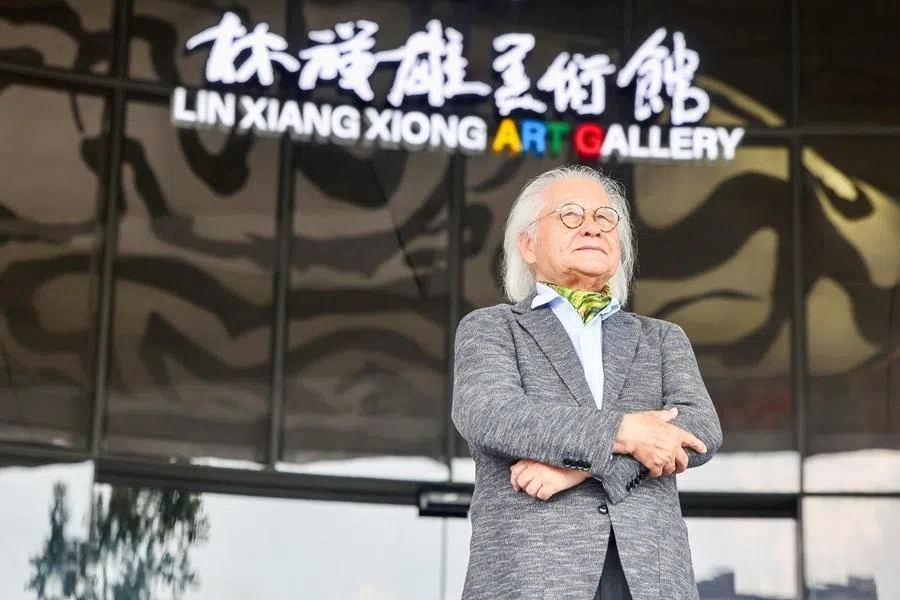
Midas touch of Lin Xiang Xiong: Mining gold with one hand, creating art with the other
From scavenging for food in China to helming a gold mining empire in Malaysia, Lin Xiang Xiong’s life is a masterclass in resilience. The gold miner-cum-artist speaks with Lianhe Zaobao senior correspondent Chew Boon Leong about how his accidental foray into gold mining has fuelled his true calling: a global crusade for peace through art.
Videos
Culture
[Video] Living in the moment: Two Singaporean artists finding home in Jingdezhen
In Jingdezhen, China’s porcelain capital, Singaporean ceramists Ken Lu and Nelson Lim have each found their own mecca — a place for Ken to put down roots, and for Nelson to continually return to. Living in the Moment, produced by Lu Lingming and Yi Jina, is ThinkChina’s first documentary film. It explores how the city reshapes Ken and Nelson’s identities as Chinese Singaporeans, while tracing their lifelong pursuit of art and craft.
Lu Lingming, Yi Jina
Society
[Vox pop] Views of China and President Xi Jinping may be turning more positive
Based on soundings from our street interviews with people from different countries, perceptions of China seem rather positive, not only in terms of China’s economic power and high-tech manufacturing leap, but its leadership. ThinkChina’s Yi Jina speaks to the public to understand how views on China, its leadership and its global role are evolving — and what reservations remain.
Yi Jina
Technology
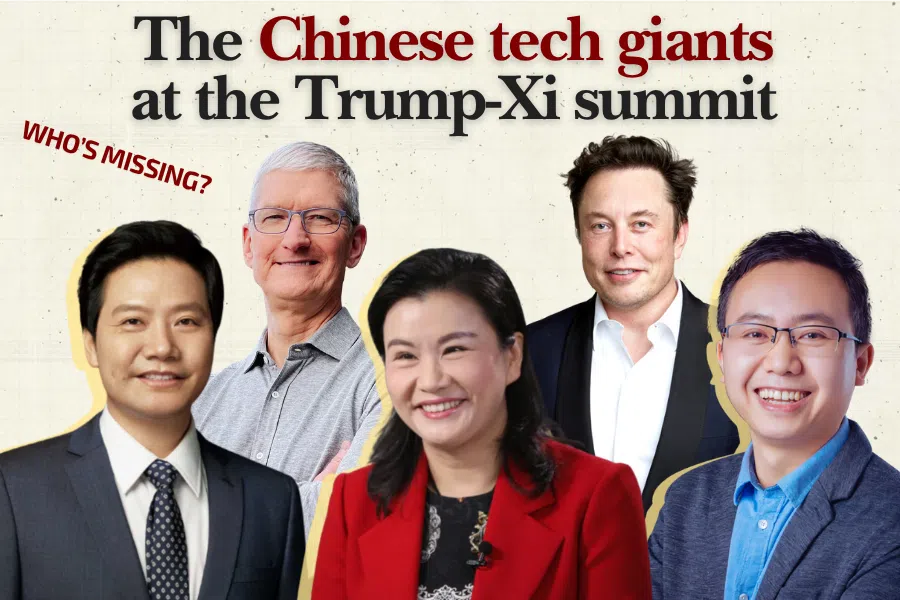
[Video] US–China tech ties revealed at Xi’s power banquet
A carefully curated guest list at the high-profile state banquet during the Trump-Xi summit placed American and Chinese tech titans side by side, revealing not just diplomatic optics, but a supply chain that remains deeply intertwined despite rising geopolitical tension. ThinkChina’s Yi Jina finds out more.
Yi Jina
Society
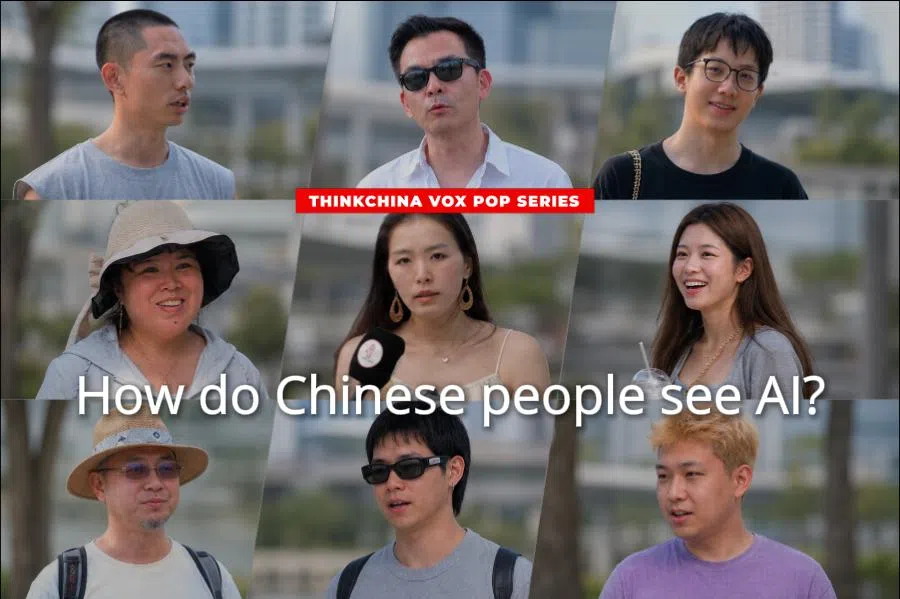
[Vox pop] How do Chinese people see AI?
In recent years, China has become one of the fastest-moving players in the global AI race. AI is now becoming part of everyday life for many Chinese people. And now, amid the sweeping changes triggered by this technological wave, ThinkChina’s Lu Lingming and Yi Jina speak with some Chinese to hear what they really think about AI today.
Lu Lingming, Yi Jina
Society
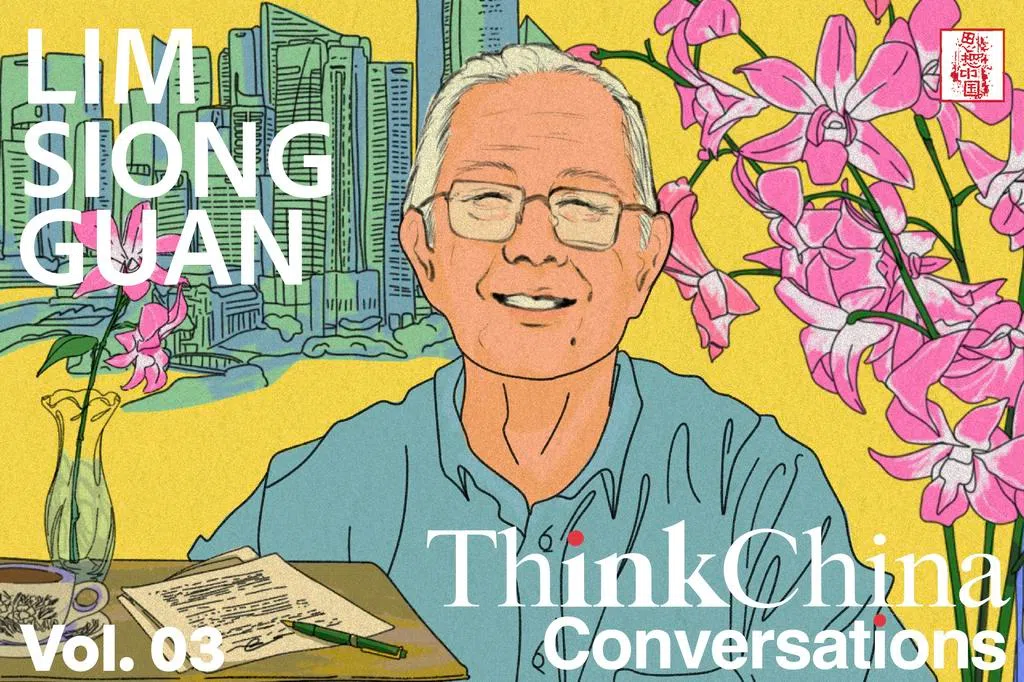
[Video] Lim Siong Guan: Can Singapore survive?
Singapore’s rise from “unwanted independence” to a trusted global brand was no accident. Former head of the civil service Lim Siong Guan reflects on working with Lee Kuan Yew and Goh Keng Swee in an interview with ThinkChina’s James Loo, and explains why small states must think long term in a world of unknown unknowns, as well as how culture, trust and a stellar civil service matter more than ever as Singapore navigates great power rivalry and rapid technological change.
James Loo
Politics
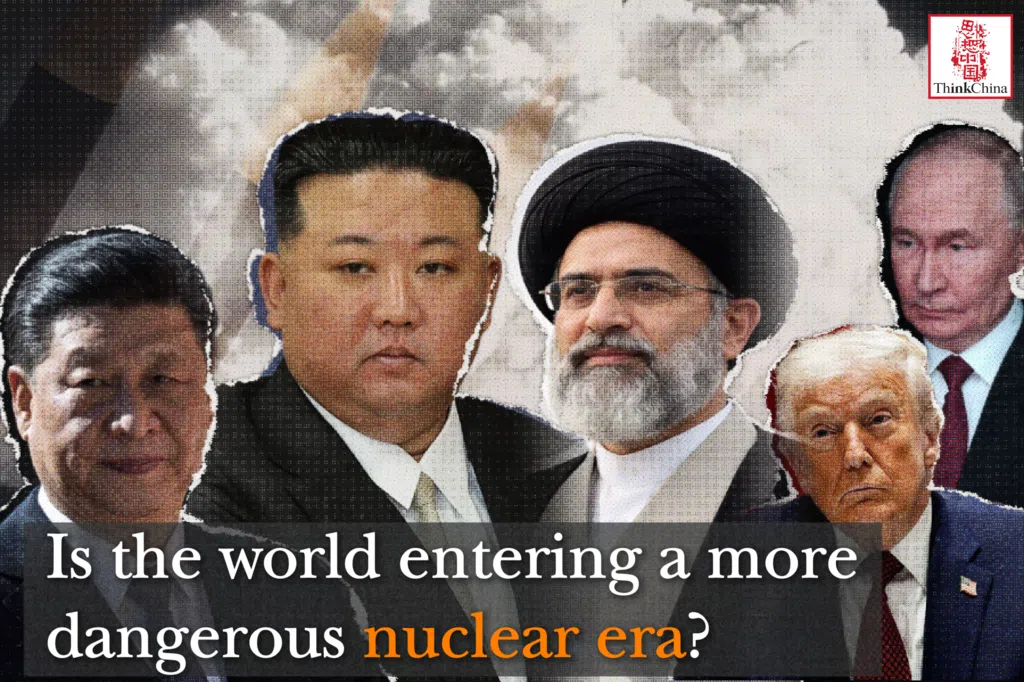
[Video] Is the world entering a more dangerous nuclear era?
The collapse of the last US-Russia nuclear constraints under New START leaves the world’s nuclear guardrails in tatters, raising fears of great power friction and a renewed arms race. As limits fall away, states from Iran to North Korea are reassessing their options. With extended deterrence under strain, ThinkChina’s Lu Lingming and Yi Jina examine how this unravelling nuclear order is reshaping global and regional security.
Lu Lingming, Yi Jina
Culture
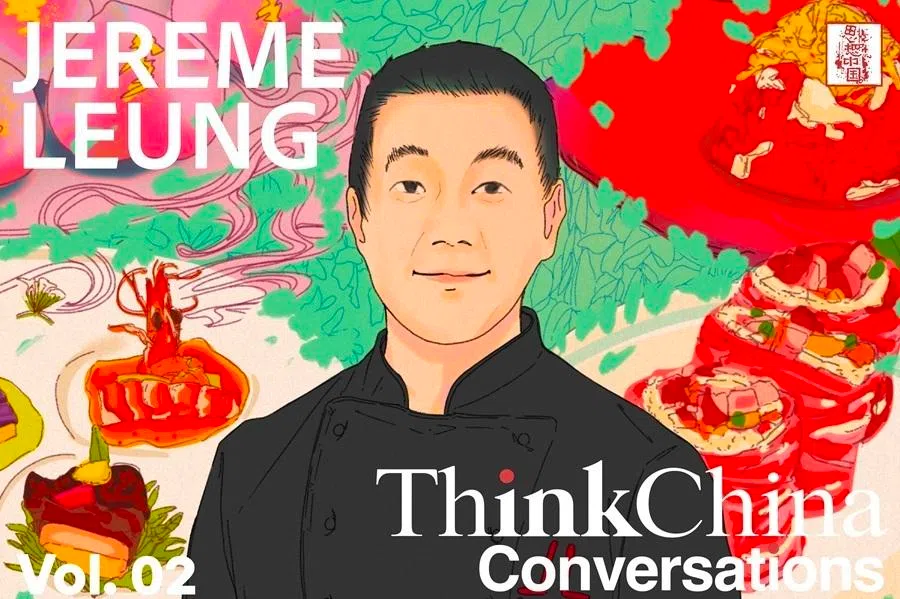
[Video] Jereme Leung: From Nanyang to Jiangnan — where taste becomes memory
Renowned chef and pioneer of Chinese fine dining Jereme Leung sits with ThinkChina’s Josephine Hong to dive into what truly defines authentic Chinese cuisine, China’s contributions to the global fine dining scene, and how Nanyang influence shaped his culinary journey.
Josephine Hong
Politics
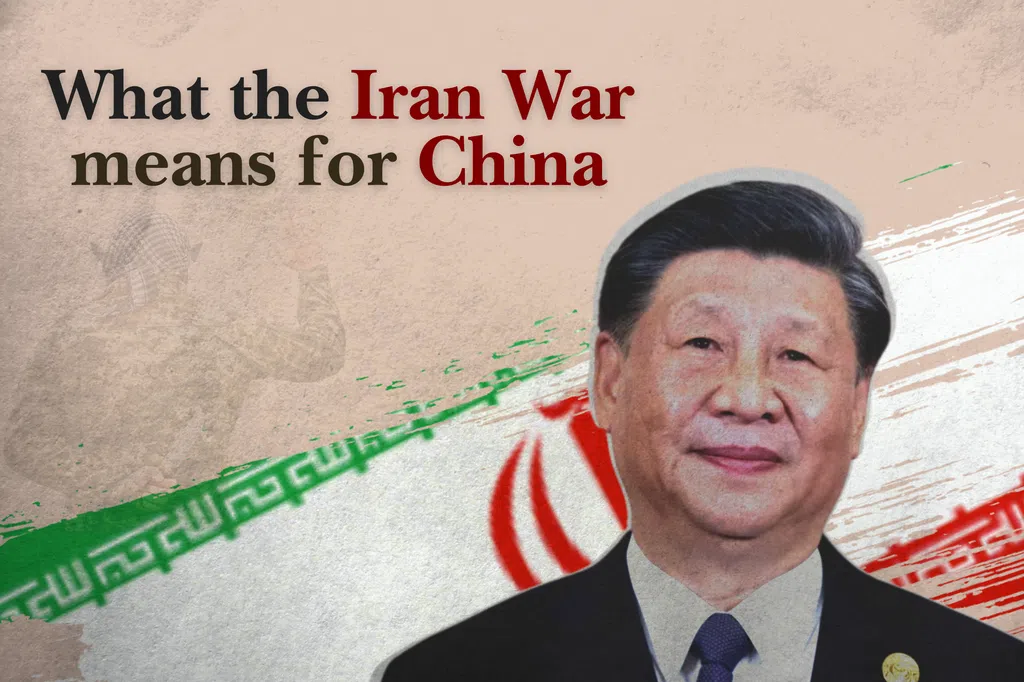
[Video] What the Iran war means for China
US‑Israel strikes on Iran could reverberate far beyond the Middle East, impacting China’s economy, energy security, regional influence and its ties with the US. While China maintains a cautious diplomatic approach, the unfolding Iran war could also create opportunities for it to gain leverage in its strategic rivalry with the US. ThinkChina’s Yi Jina and Lu Lingming speak with three experts to explore what the Iran war means for China.
Yi Jina, Lu Lingming
Politics
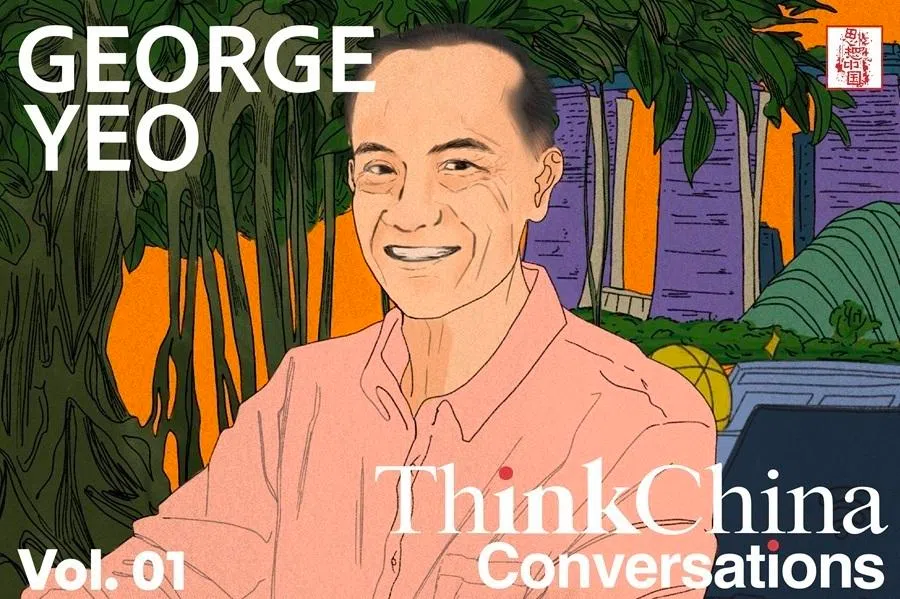
[Video] George Yeo: America’s deep pain — and why China won’t colonise
George Yeo, in an interview with ThinkChina editor Chow Yian Ping, explores America’s deep social pain, China’s struggle with corruption rooted in Confucian ties, and why change is hard. He also weighs the risk of war in the Taiwan Strait and Singapore’s future in a fast-shifting world order. This is the first episode of ThinkChina Conversations, a series of in-depth interviews with experts on China.
Chow Yian Ping
Latest Articles
Politics
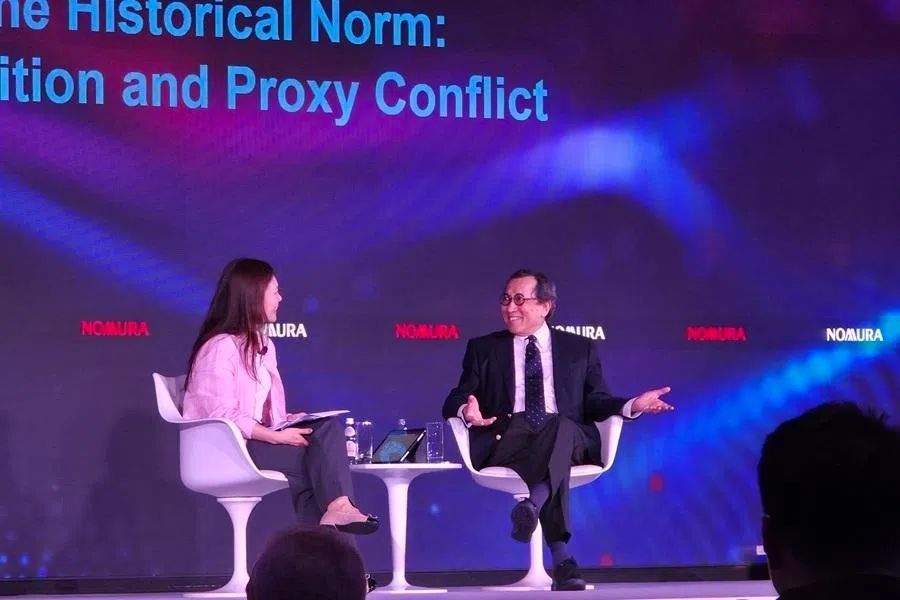
Bilahari Kausikan: Uneasy and fragile China-US truce will not hold forever
Retired Singapore diplomat Bilahari Kausikan warns that the current China-US trade truce is fragile, the US-China summit has not brought substantive changes to the US’s Taiwan policy and the Iran war will not end well. Lianhe Zaobao China news correspondent Edwin Ong notes key points from a fireside chat at the Nomura Investment Forum Asia in Singapore.
Edwin Ong
Politics
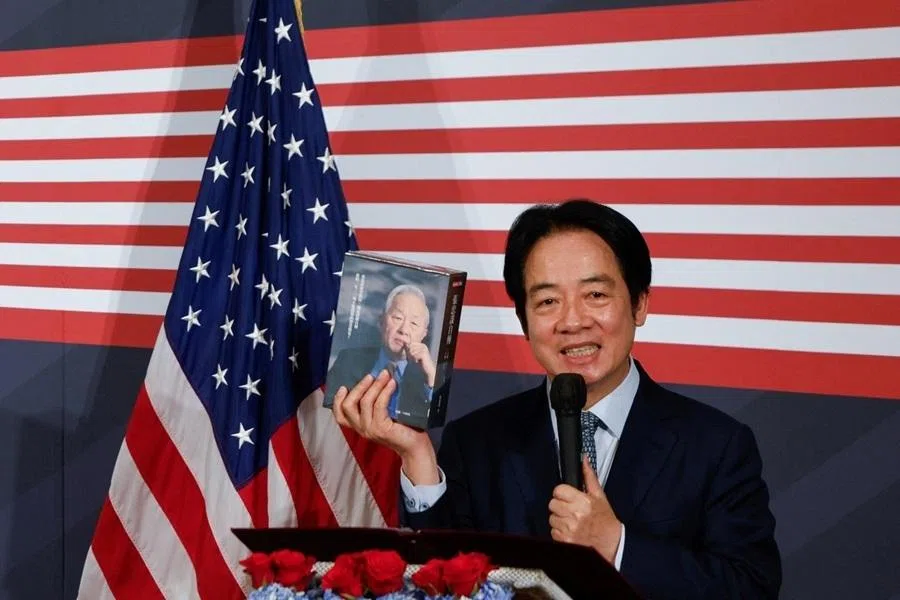
[Big read] After Xi-Trump summit, a jittery Taiwan takes stock
Soon after the US-China summit in Beijing, Taiwan President Lai Ching-te stressed that peace in the Taiwan Strait would not be sacrificed or traded away, and called for Taiwan to bolster its national strength and cooperate closely with Taiwan’s global democratic partners. Lianhe Zaobao journalist Miao Zong-Han speaks with academics and analyses the situation.
Miao Zong-Han
Society
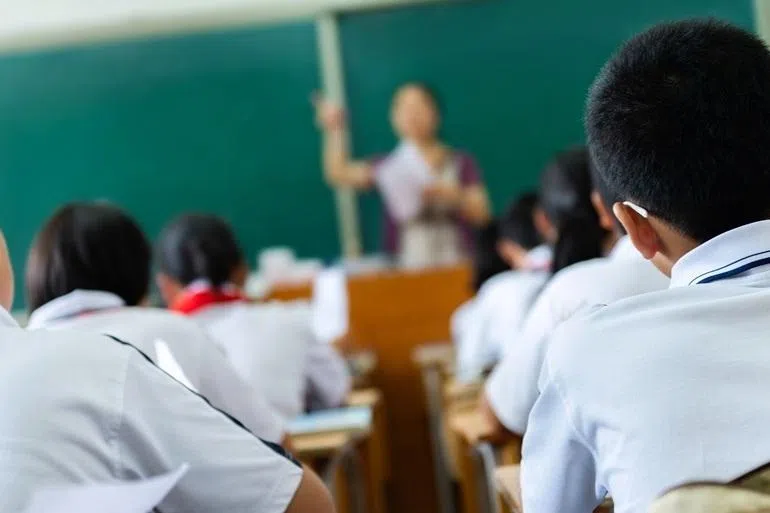
Complaints against teachers in China: How much is too much?
A recent case where a Fudan University associate professor was accused of being unprofessional has thrown the spotlight on the larger issue of complaints — founded and unfounded — against teachers in China. Lianhe Zaobao associate China news editor Chen Jing gives her take and explores where to draw the line.
Chen Jing
Society
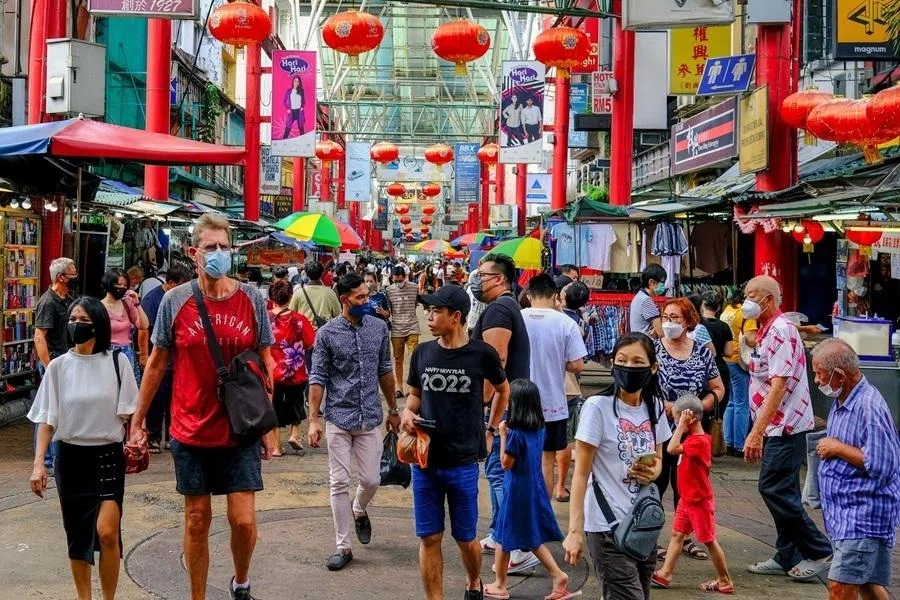
[Big read] Why Malaysian youths are choosing mainland China over Taiwan for degrees
For generations, a Taiwan degree meant upward mobility for Malaysian Chinese. Today, a rising China and evolving local options are changing where students choose to carve out their futures. Lianhe Zaobao journalist Tan Jet Min reports.
Tan Jet Min
Politics
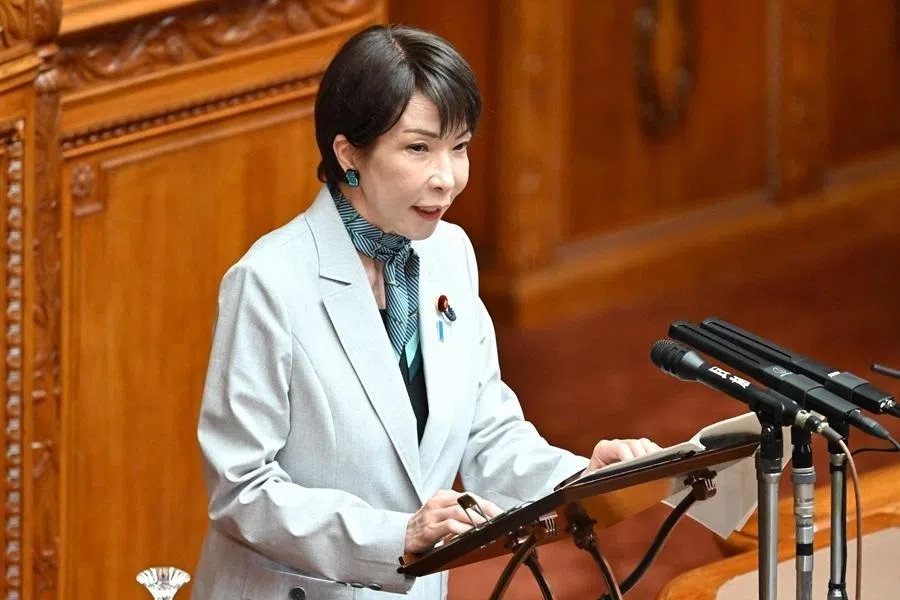
Did Japan just ‘downgrade’ China in its Diplomatic Bluebook?
Japan’s latest Diplomatic Bluebook describes China as “an important neighbouring country”, when it used to be “one of Japan’s most important bilateral relations”, prompting backlash from China. Academic Shin Kawashima says there is no need to read too much into the change in phrasing.
Shin Kawashima
Economy
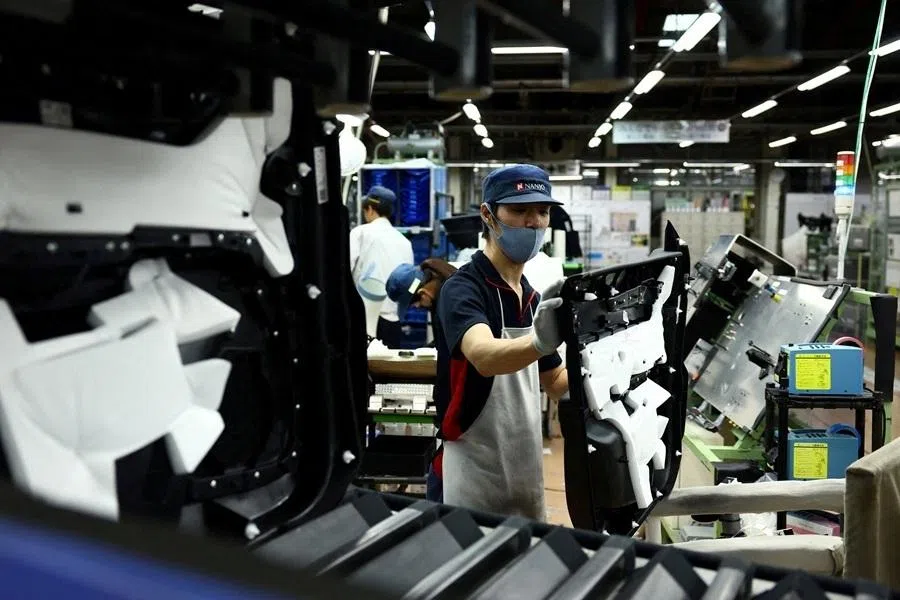
From industrial giant to specialised supplier: The reshaping of Japan
Amid China’s tech rise, a demographic crisis and regional tensions, Japan is being forced to dismantle its post-war economic model and redefine its global role. Academic Tan Kong Yam analyses the challenges and the way forward for Japan.
Tan Kong Yam
Politics
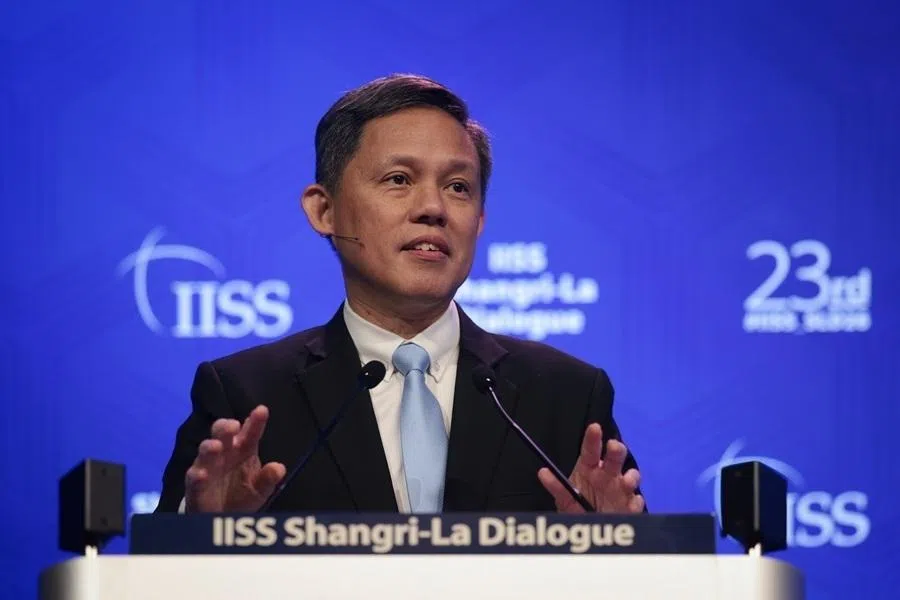
Chan Chun Sing: Not pro- or anti-China or the US, ‘We are pro-ASEAN’
At his remarks in the panel discussion at Shangri-La Dialogue 2026 and after-event media interviews, Singapore Defence Minister Chan Chun Sing stressed “action and communication” as key to building defence trust, urged ASEAN unity and vigilance, gave his views on Chinese representation and reaffirmed a “pro-ASEAN” stance amid China-US rivalry. Lianhe Zaobao’s Tan Ke-Yang and Daryl Lim report.
Tan Ke-Yang, Daryl Lim
Politics
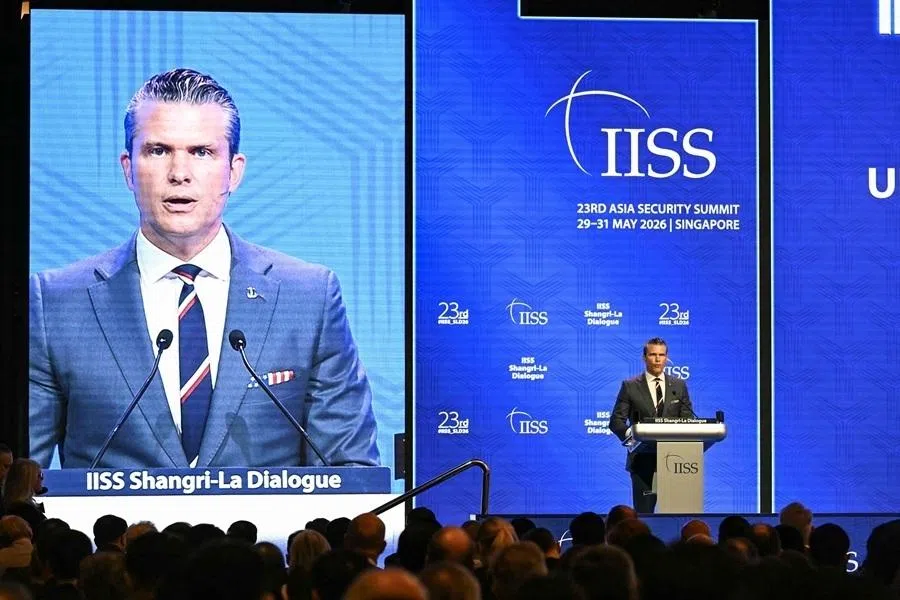
[Video] Hegseth at Shangri-La Dialogue: Toning down US rhetoric
At the recent Shangri-La Dialogue in Singapore, US Secretary of War Pete Hegseth seemed to tone down criticisms of China. Does this mean a more pragmatic, prudent approach going forward? Lianhe Zaobao China news correspondent Edwin Ong speaks to experts for their take.
Edwin Ong

Economy
China’s bid for a slice of the medical tourism market
Driven by vast surgical experience and lower costs, China’s medical tourism sector is expanding. However, Lianhe Zaobao correspondent Yush Chau finds out that building an international reputation and managing domestic resources remain key challenges.
Yush Chau
Politics
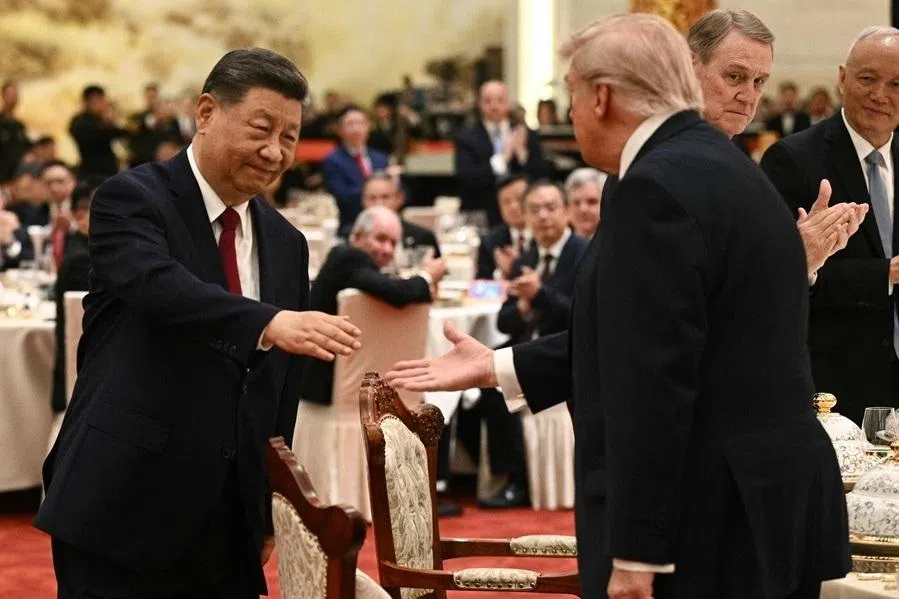
Sino-US relations after Xi-Trump summit: Towards a new stability?
If China and the US steadfastly build a “constructive relationship of strategic stability”, they would be well on their way to creating a new paradigm of major-country relations. The Beijing summit showed early signs of the two countries moving towards a more stable path, says Chinese academic Wu Xinbo.
Wu Xinbo
Culture
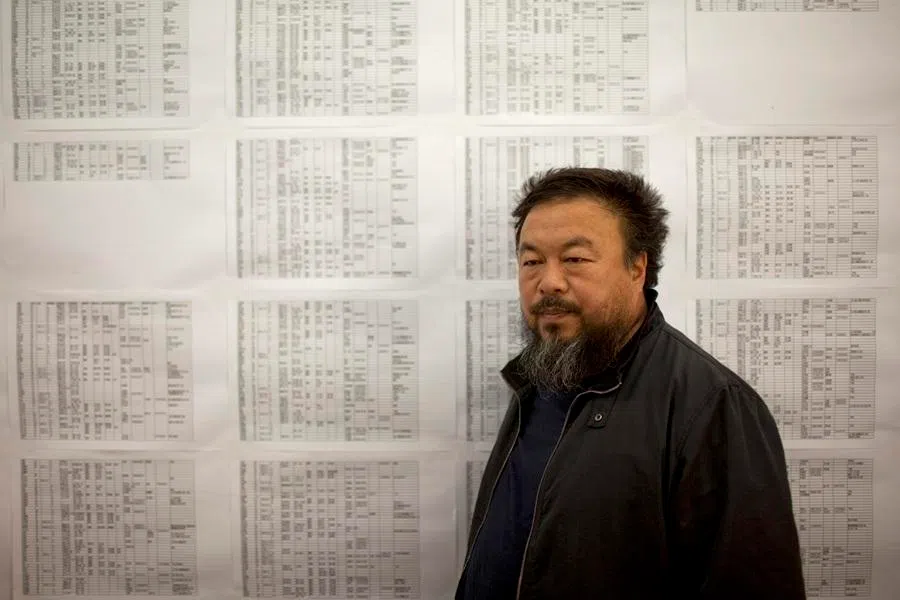
Is Ai Weiwei a figure of the past?
By embodying recognisable themes of political dissent, ideological trauma and cultural memory, early Chinese contemporary artists like Ai Weiwei acted as interfaces that helped the West understand China. But the milieu has changed, requiring new-gen artists to reexamine their identity and their art. Lianhe Zaobao visual journalist Fio Zhang gives her take on the issue.
Fio Zhang
History
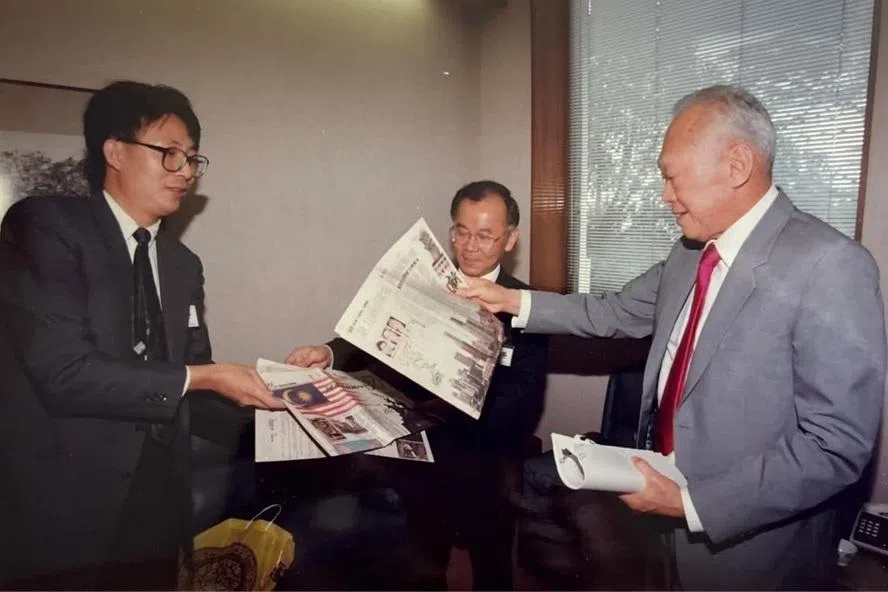
[Photos] Witnessing history as a Taiwan reporter: Singapore in the 1980s and 1990s
How does a young Taiwanese reporter end up chasing history and love in Singapore? Historical photo collector Hsu Chung-mao takes a look back at the political engineering and leaders that shaped an era in Singapore, along with his personal ties to the country.
Hsu Chung-mao
Technology
Manus quagmire: The long arm of China’s cross-border strategic reach
For the US and China, once technology has national security consequences, private deals become government business. Looking at the Manus case, academic Daryl Lim notes that while companies can leave the mainland, they cannot easily escape China’s strategic orbit.
Daryl Lim

Politics
Trump and Putin’s visits confirm Beijing as the new global pivot
China’s recent hosting of both the US and Russian presidents shows that while it is not yet replacing the US as the strongest among the three powers, there is a definite shift in the balance, and China is dealing with both on its own terms. Academic Alexander Korolev explains.
Alexander Korolev
Politics
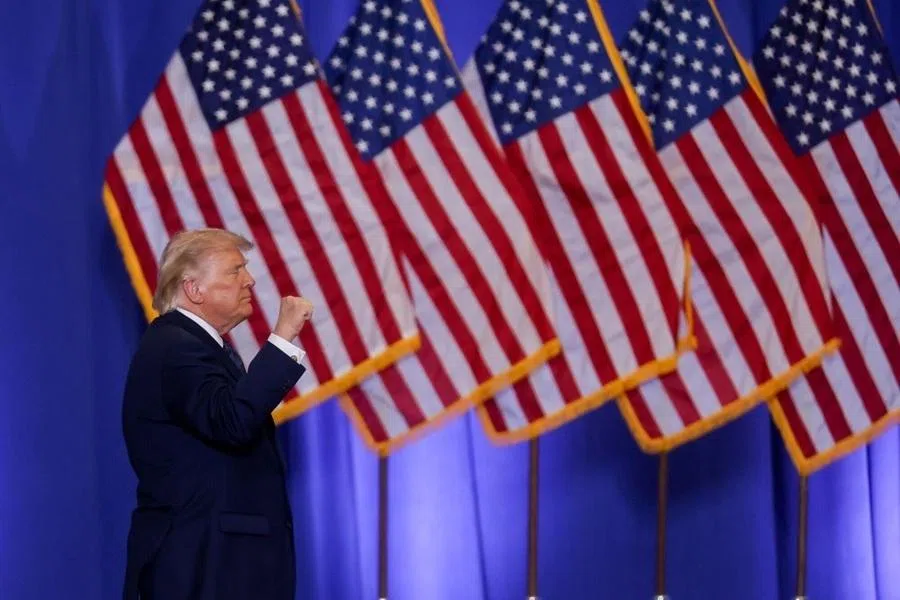
From founding order to utopian drift: How America lost its centre
Tracing the US’s shift from its founding constitutional order to a period of ideological experimentation and internal fragmentation, Chinese commentator Jun Ma examines how competing visions of society have reshaped its political centre.
Jun Ma
Economy
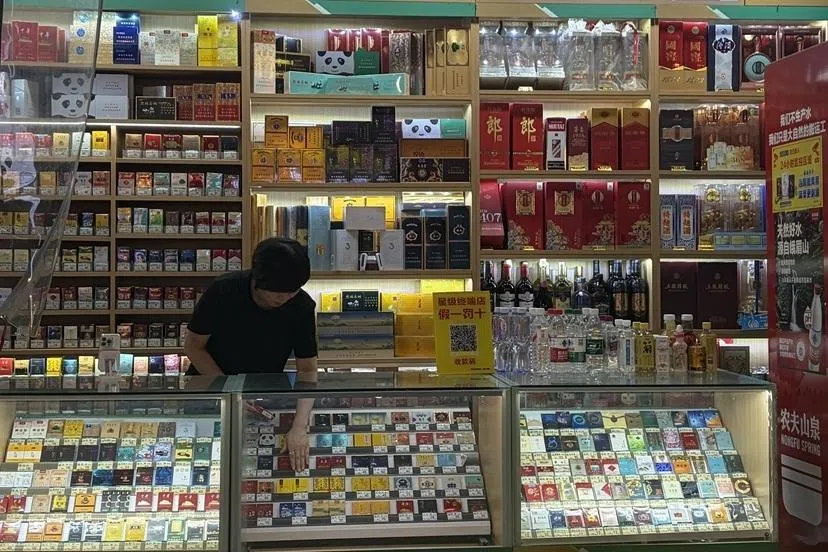
Hooked on tobacco: Why China can’t quit despite decades of control
As public fights over smoking ignite fierce debate, China faces a deep structural dilemma: protecting public health without stubbing out a lucrative fiscal pillar. Lianhe Zaobao correspondent Liu Liu finds out what keeps China hooked on smoking.
Liu Liu